
Once, hanbok was an everyday garment, intertwined with the gestures of daily life. With the gradual shift toward modernity and the influence of Western dress, it was nevertheless set aside in favor of more functional clothing, remaining confined to the formality of special occasions.
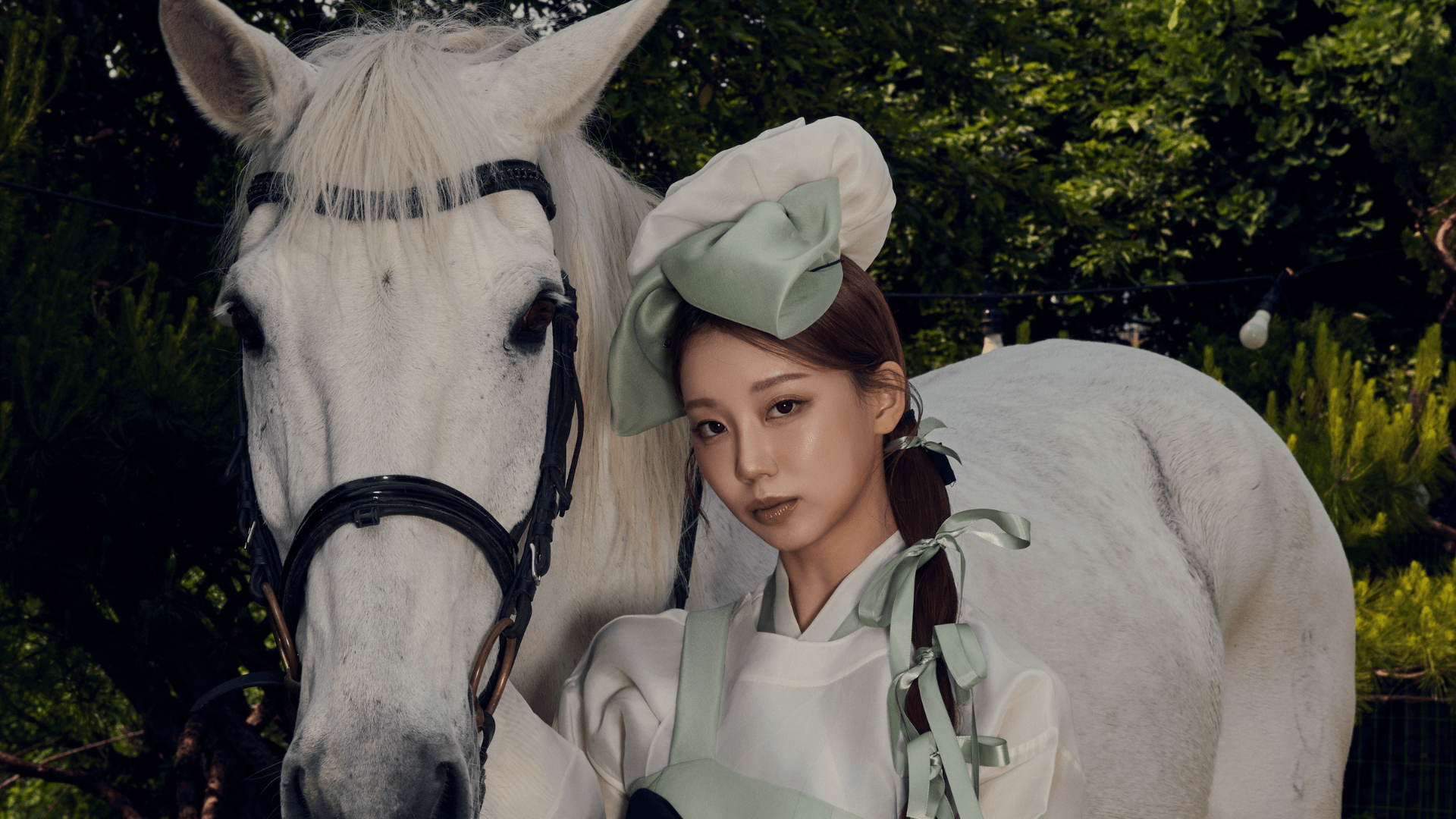
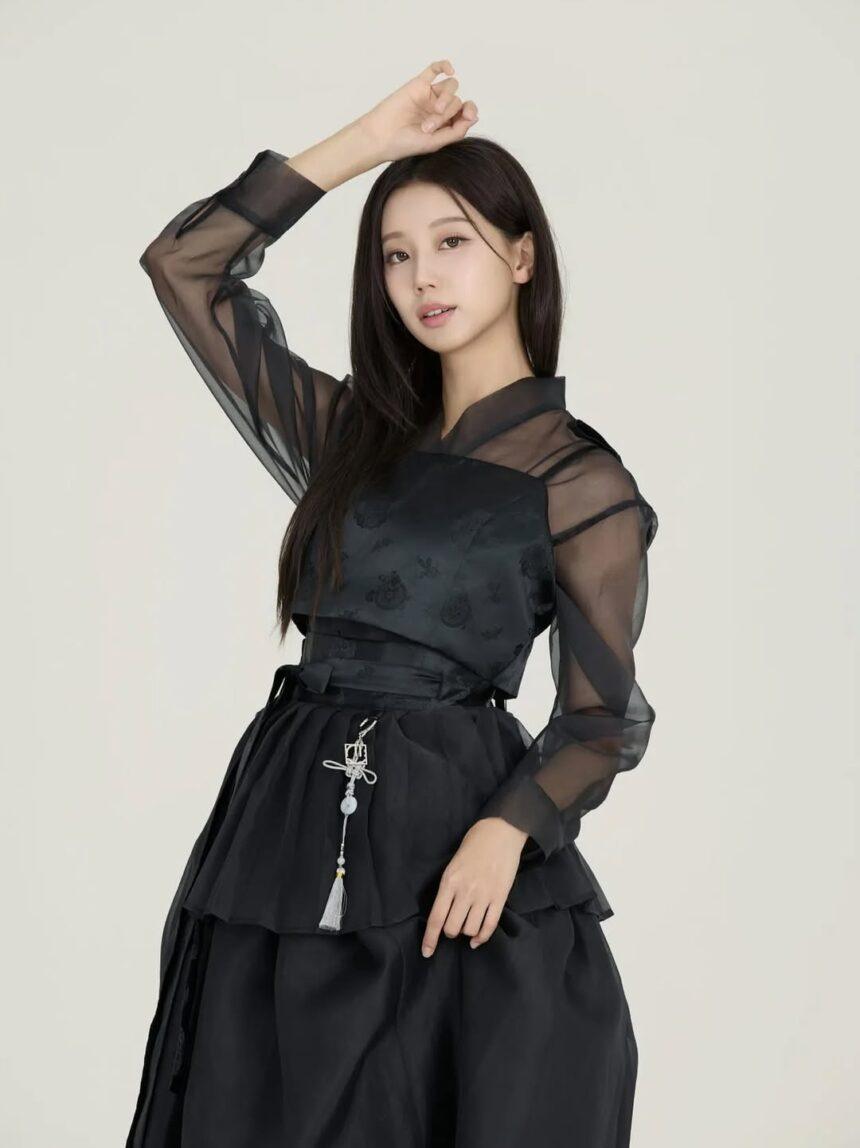
Recently, a new generation of Korean designers has chosen to bring hanbok back to the forefront, giving it new meanings without betraying its essence. Among them, SHEEN:SEOUL reinterprets its historical and cultural heritage through contemporary codes: the brand preserves the traditional silhouette while making it accessible for everyday wear. The geometric and linear structure of hanbok does not undergo radical transformations, but adapts to the rhythms of today, evolving into a practical and versatile garment that retains its original identity.
SHEEN:SEOUL is known for its modern reinterpretation of the hanbok. What led to the creation of the brand? And what does “Hanbok for everyday wear” mean for you?
SHEEN:SEOUL began with a simple question: why did such a beautiful, functional garment become something we only reach for on ceremonial days? Historically, hanbok was everyday clothing—practical, elegant, and deeply considered. “Hanbok for everyday wear” is our commitment to restore that closeness: preserving the dignity of the silhouette while removing the friction of modern life, so it can live naturally in today’s wardrobe.
Was your academic background already focused on traditional clothing, or did this interest develop later?
This focus developed through the work itself—making garments, studying patterns, speaking with makers, and learning through repeated prototypes. Over time, I came to see hanbok not as a category, but as a design language. The deeper I went, the more I understood that modernizing hanbok is less about changing it, and more about translating its logic for the present.
How do you balance respect for hanbok’s historical structure with the need to make it wearable every day again?
I start by respecting the original structure—the relationship between line and volume, the calm front overlap, and how the garment moves with the body. Then I adjust what prevents daily use: closure methods, inner finishing, layering compatibility, and ease-of-care. The goal is not to “Westernize” hanbok, but to let it function naturally in modern life without losing its identity.
What structural elements of the hanbok do you consider fundamental in your collections?
For me, fundamentals are proportion and architecture: the collar line, the overlapping front, the balance created by flat construction, and the way volume appears only when worn. Details like the collar and ties are not decoration—they’re structure and rhythm. Even when we reinterpret these ideas into jackets, coats, or sets, we keep that underlying grammar intact.
Today, how do you adapt materials and tailoring techniques to ensure comfort and ease of maintenance while preserving identity?
Our responsibility today is comfort, durability, and maintenance—without flattening the garment into something generic. We choose materials people already trust in daily life, and we engineer patterns for freedom of movement and reliable wear. If a piece is beautiful but difficult to care for, it won’t become truly “everyday.”
Biggest challenge in adapting these garments to modern life? Where do you start creatively, and what solution brought you the most satisfaction?
The hardest part is maintaining the “hanbok feeling” while meeting modern expectations: pockets, layering, stable fit across bodies, and ease of movement. I usually begin with research—an archival silhouette, a detail, or a motif—then refine through sketching and iterative sampling. The most satisfying moments are when a piece feels instantly wearable yet still reads unmistakably as hanbok through its lines, balance, and finishing. I tend to return to tailoring details—collars, seams, and volume control—as my most frequent starting point.
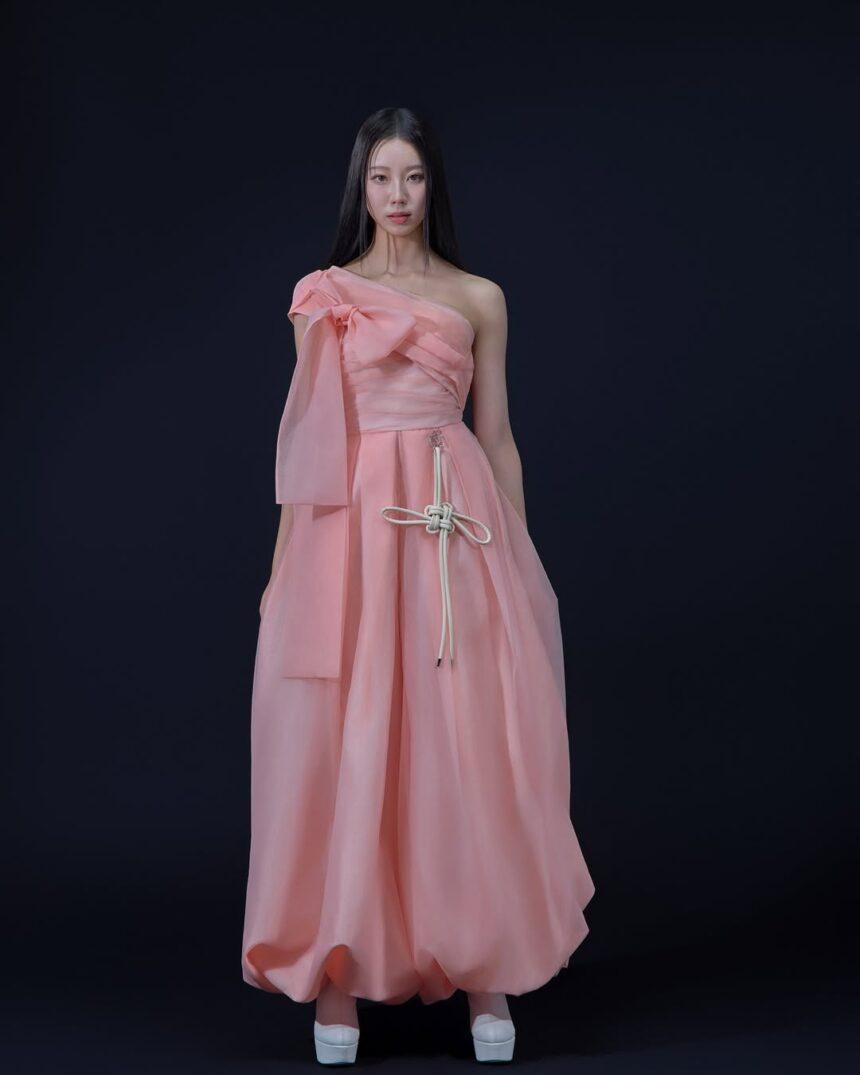
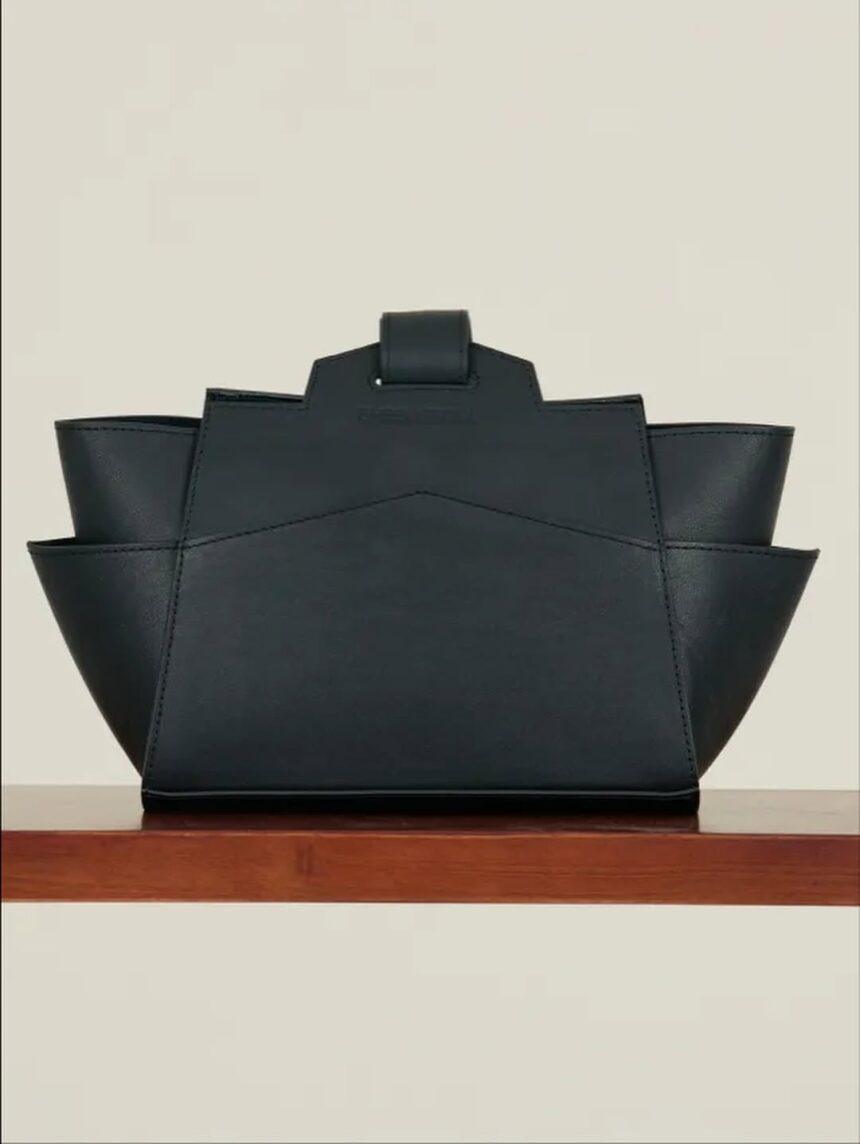
How do you translate “niche” inspirations like the Jeongjagwan bag or the Malgun Jumpsuit for a non-Korean audience?
When we work with niche references, we translate them in two steps: first, we extract a clear visual principle (silhouette, proportion, closure), and second, we place it into a familiar object category.
For the Jeongjagwan Bag, the starting point was the Jeongjagwan (정자관, 程子冠)—a scholar’s cap associated with Joseon-era literati, typically worn at home with informal attire rather than as formal headgear. It represents restraint and discipline more than ornament. We studied its distinct, structured profile—often described through a mountain-peak contour—and distilled that geometry into the bag’s silhouette and seam architecture. This edition is crafted in genuine cowhide, keeping the form structured and durable for daily use.
With Malgun-inspired designs, we keep the idea of movement and practicality—then present it as a contemporary, wearable piece that makes sense even without prior knowledge of the reference.
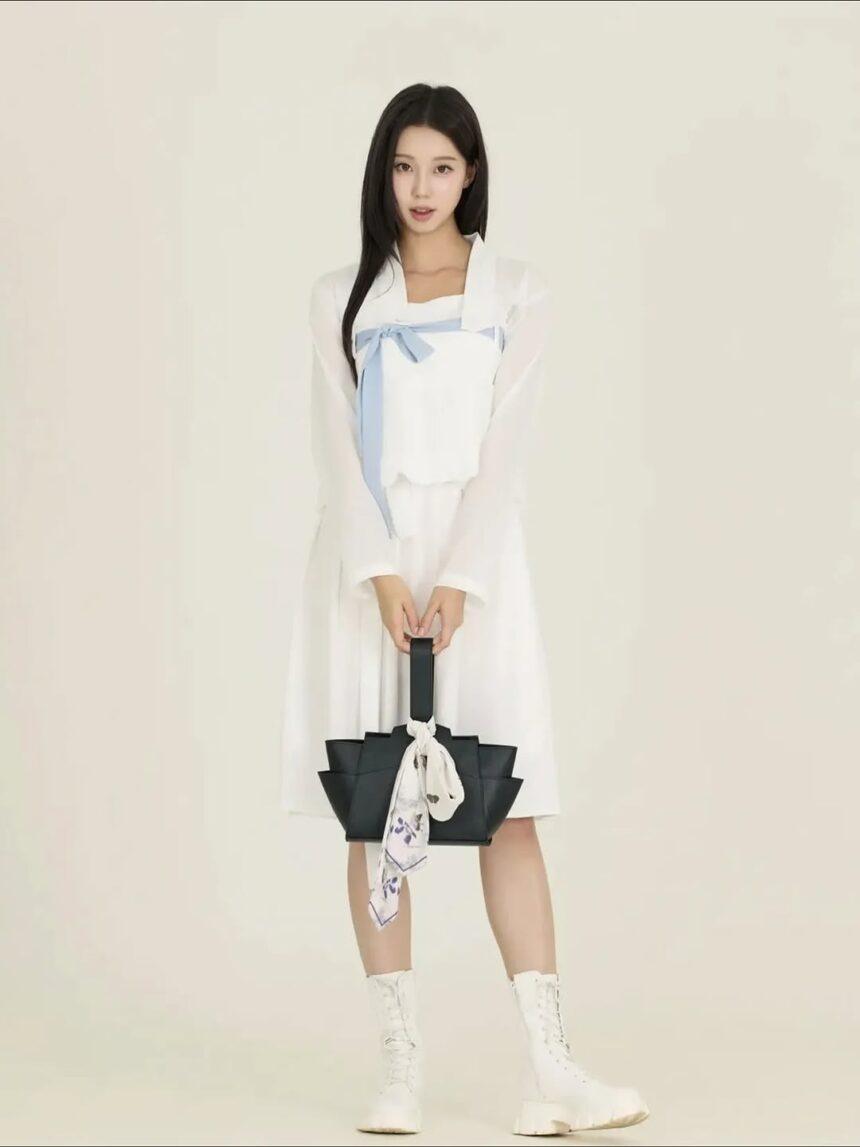
You recently launched the S: RAN PROJECT. What elements does it focus on, and what is its goal?
S:RAN is our contemporary interpretation of “sran” details—elements that historically elevated formal wear through refined finishing. The project focuses on bringing that sense of precision into pieces that can be worn in modern settings. The goal is to show that tradition can be expressed through subtle structure and detail—not only through overt costume-like ornament.
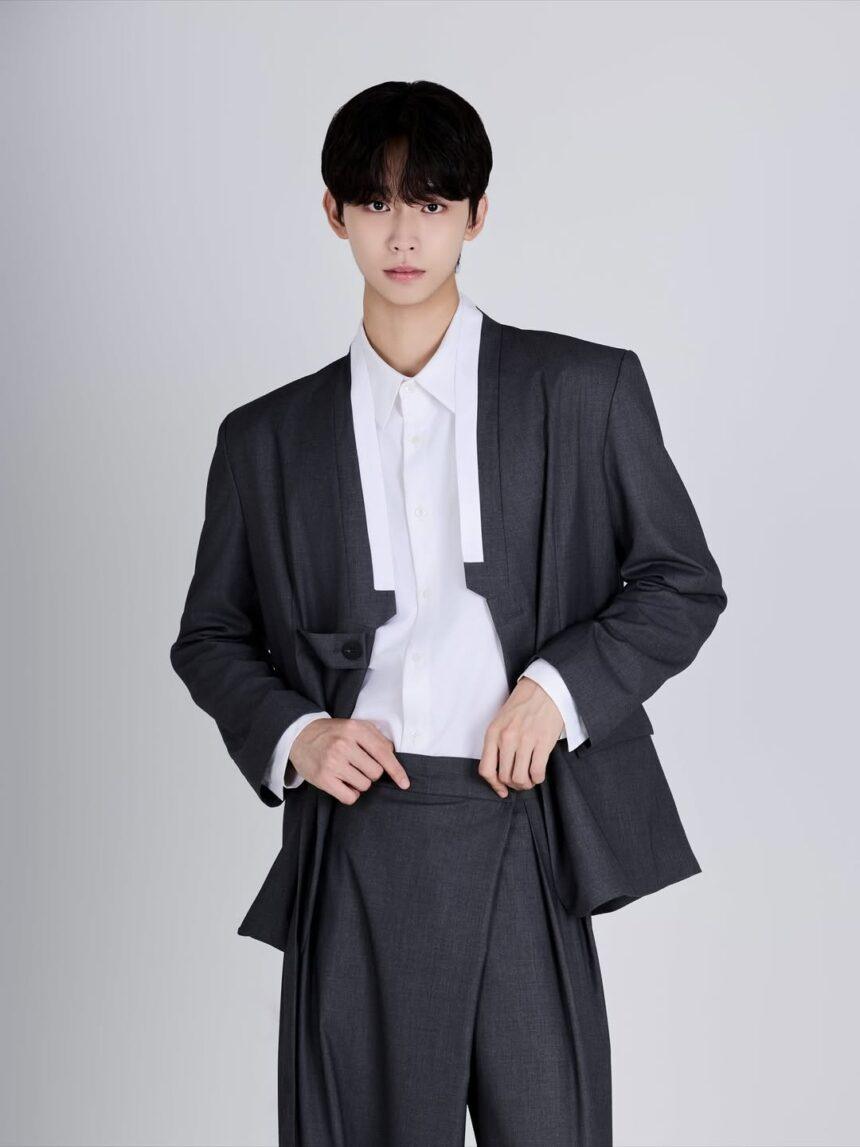
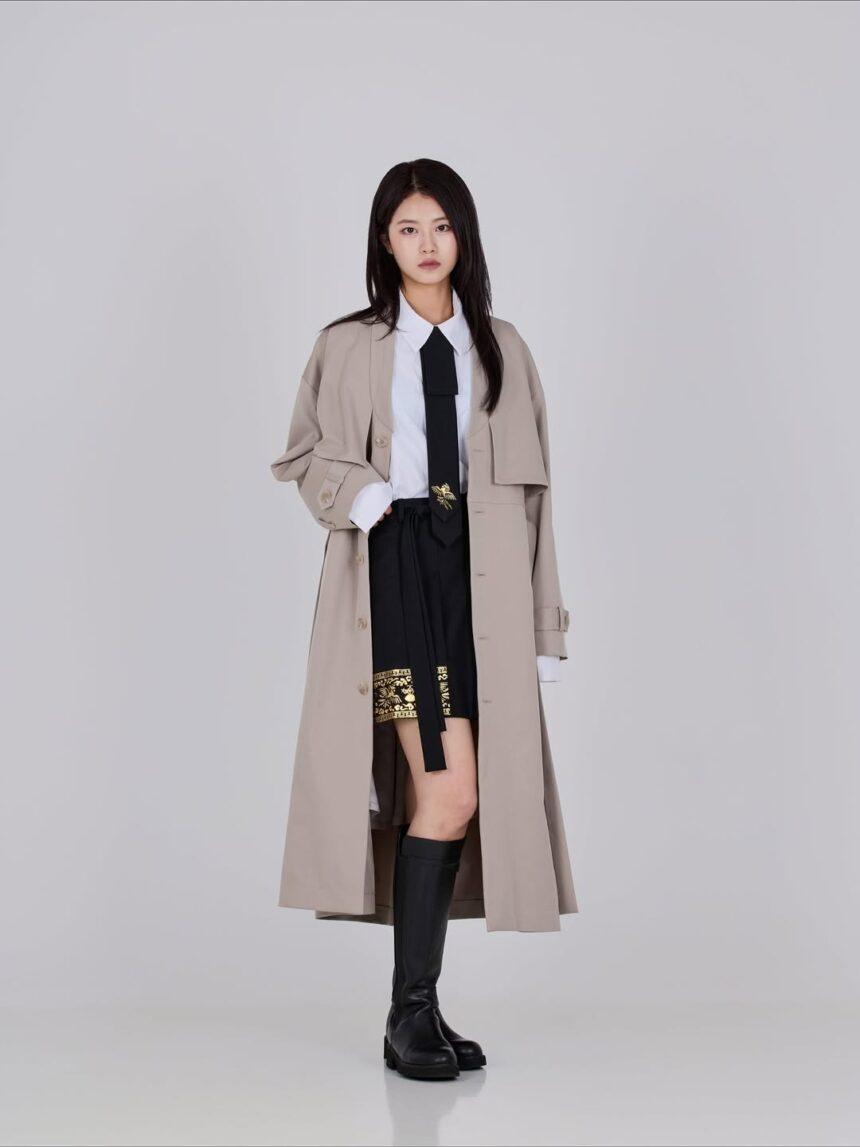
You were selected for the 2024 Hanbok Wave edition. What inspired the garment created for actress Kim Tae-ri?
It was an honor. For that garment, I aimed for calm presence: clean lines, controlled volume, and a sense of dignity without excess. Rather than relying on heavy decoration, we focused on proportion and texture so it could read as modern fashion in an editorial context, while keeping the integrity of hanbok structure.
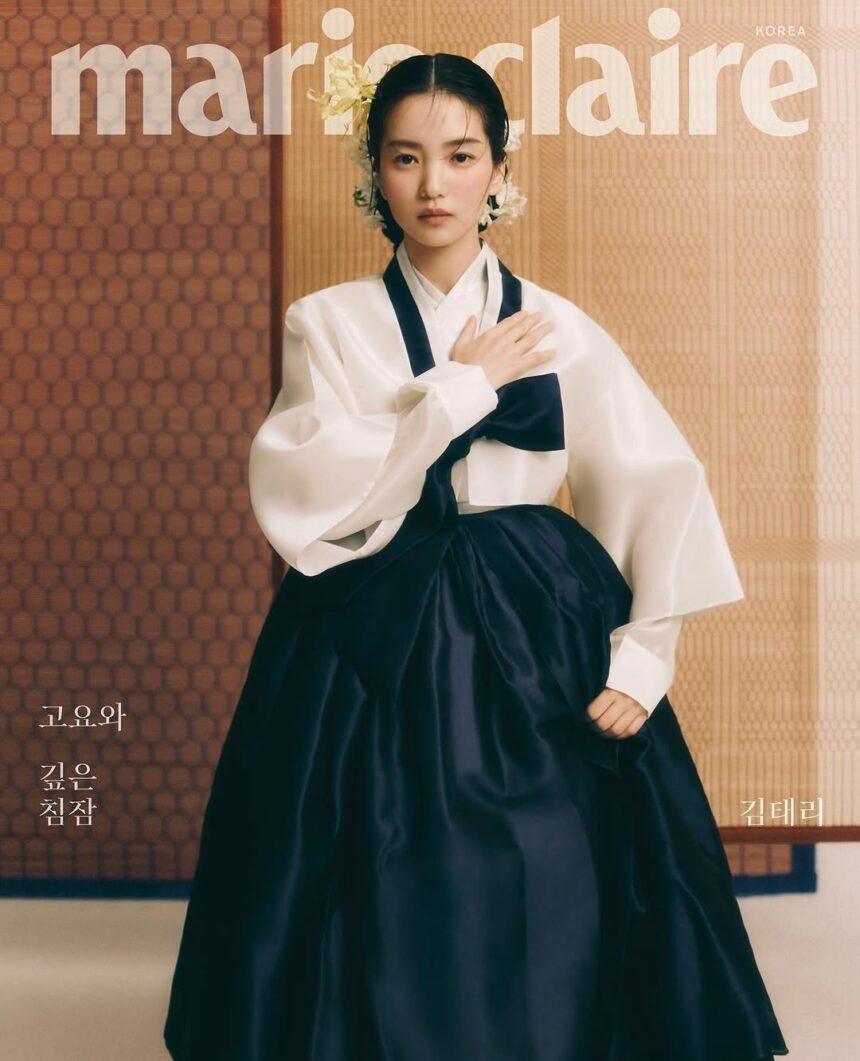
The hanbok is becoming more popular with young people. How do you ensure they see it as modern fashion?
Young audiences respond when hanbok is presented as a real wardrobe option—not an obligation. That means designing categories they actually wear (outerwear, set-ups, pieces that layer easily), using materials that feel familiar, and styling it in a contemporary way. When hanbok is treated as “today’s clothing,” people naturally adopt it.
What role does SHEEN:SEOUL aim to play in spreading Korean culture, and what misconception would you like to correct?
We aim to help hanbok remain a living design language—one that evolves without losing its core. A common misconception internationally is that Korean fashion equals either “traditional costume” or “K-pop styling,” with little in between. I hope our work shows a broader reality: Korea has a deep design heritage, and it can be expressed with subtlety, restraint, and everyday elegance.
What advice would you give to young international designers reinterpreting traditional clothing?
Start with respect, but don’t stop at surface aesthetics. Learn the construction logic, how the garment relates to the body, and why certain lines exist. Then collaborate—speak with practitioners, pattern makers, and craftspeople. If you treat tradition as a living system rather than an “exotic reference,” your reinterpretation becomes more honest and more innovative.
If you had to translate the experience of wearing SHEEN:SEOUL into an emotion or hashtag (besides #Hanbok), what would it be? And how does the purchasing experience reflect this philosophy?
Quiet confidence—grounded elegance that doesn’t need to announce itself. If I had to choose a hashtag: #QuietPride.
We try to make the purchasing experience feel like an invitation, not a barrier. Whether online or in person, we focus on clear styling cues, practical guidance, and storytelling that explains the “why” behind each detail—so tradition and modern life meet naturally in how the pieces are worn.