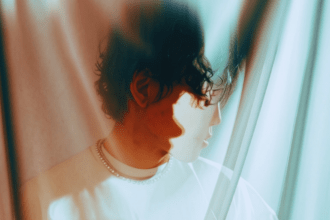
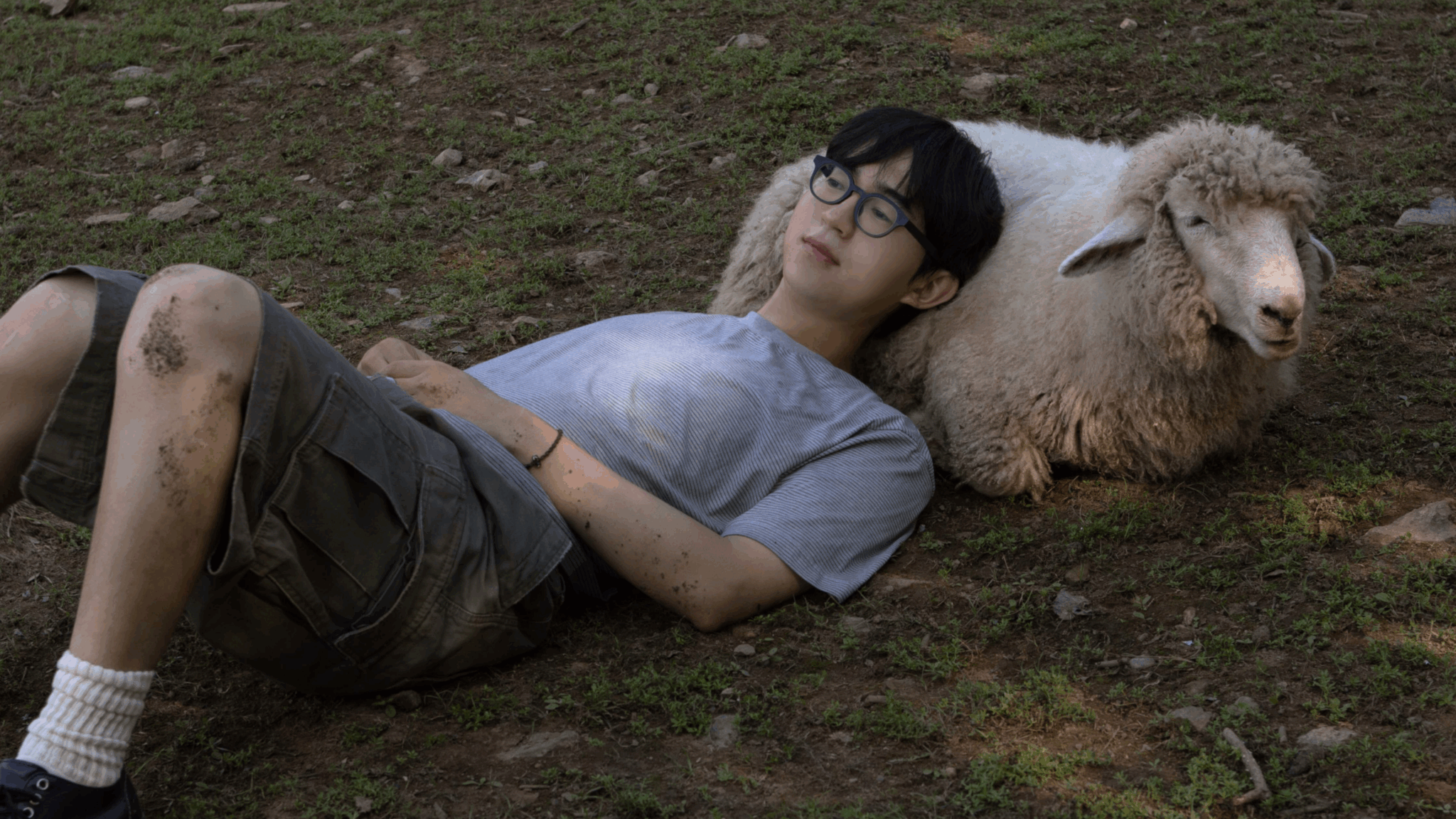

The hitmaker behind K-pop smashes and the unforgettable soundtracks for ‘Hospital Playlist’ and ‘My Liberation Notes’ opens up about basecamp, his debut EP. A conversation on creativity, independence, and the art of writing a diary for the world.
Park Jihoon’s stage name holds a promise: Dailog, a blend of “daily” and “log.” For years, his was the pen that filled the pages of others’ diaries—a hidden talent behind the scenes who lent his voice to some of the biggest names on the Korean pop scene.
His name is behind hits for K-pop icons like DK of SEVENTEEN, Joy and Wendy of Red Velvet, and TWICE. But he also crafted the soundscapes for some of the most beloved soundtracks of recent years, from Hospital Playlist to the highly acclaimed My Liberation Notes. A familiar name to industry insiders, he was a sophisticated artisan of emotion whom the public loved without ever knowing him. Until now.
Today, with the EP basecamp, that pen is finally writing for itself. He helms the project entirely: from songwriting, recording, and mixing to promotion, everything bears his signature.
basecamp is a refuge—a “shelter,” as he calls it. The music is inviting, created to accompany quiet days and offer a sense of comfort. In this way, the album is an attempt to transform his own experience into something that can inhabit the lives of his listeners: a shared diary, capable of becoming, at least for a moment, a home.
Dailog is opening the doors to this refuge for us. He let us read the first page of his diary. What follows is our conversation.
Welcome.
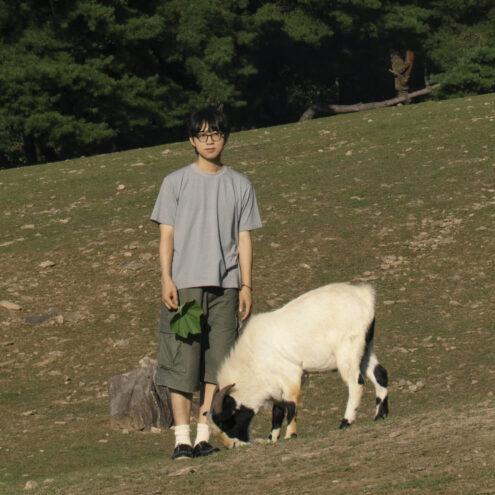
From OSTs to a Solo Debut
You’ve been recognized as a composer who vividly paints emotions and scenes through OSTs and collaborations. Now, with the EP basecamp, you’ve begun telling stories in your own voice. What led you to take this step at this point, and how has your experience of translating others’ stories influenced the way you tell your own?
For a long time, I expressed other people’s stories through music, but at some point, I felt a strong urge to tell my own story in my own voice. Working on OSTs or artist projects has always been a process of respecting someone else’s narrative. Through that, I learned what it means to make music with sincerity. This album allowed me to channel those lessons into expressing my own emotions more honestly, and that became the biggest reason I started my solo journey. Over the years, I also grew musically through diverse projects, and I developed the desire to create more varied and exciting music.
Your stage name, Dailog, comes from “Daily + Log.” What does it mean to you personally? Is music a kind of diary you share with the world? And how does this concept extend to international audiences, especially through the use of English lyrics?
To me, music is less about grand events and more about recording daily emotions and small moments. Writing in English wasn’t simply about targeting international listeners—it was because the melodies and emotions often flowed more naturally in English. In that way, I hope my songs can also seep into someone else’s daily life, wherever they are.
The Universe of basecamp
The EP blends surf rock, folk, and dream pop into a warm, vintage atmosphere. Which artists or albums inspired this sound? Beyond music, did daily experiences, books, movies, or travel also shape the themes of the EP?
I’ve always loved a wide range of music—from bands like The Beatles to contemporary indie artists like Mac DeMarco and Men I Trust. These musicians created wonderful work by blending vintage sounds with their own sensibilities. I wanted to do something similar: to infuse vintage textures with my own emotions. And in the end, it was the deep love I experienced in everyday life that drove me to complete this album.
basecamp is entirely self-produced. What was the most difficult challenge, and conversely, the most rewarding discovery
The hardest part was being responsible for everything myself—recording, mixing, mastering, visuals, even promotion. But it also gave me the opportunity to fully capture my own color, and that was the most rewarding part. At times it felt lonely, but it ultimately gave me confidence in my own music.
The concept of basecamp frames love as a “safe haven” amidst life’s challenges. If you had to sum up this feeling in one word, what would it be and why?
“Shelter.” Love is more than just happiness—it’s a space that gives you the strength to move forward. That’s the essence I wanted to capture in this album.
The EP seems to follow a progression from the freshness of morning (morning twist) to the stillness of night (campfire). Was this intentional? Did you want to guide listeners through a day-long journey or an emotional cycle?
Yes, it was intentional. I thought of love as something that flows as naturally as a day, from beginning to end. I wanted the album to feel like a diary that unfolds over the course of a single day.
On this EP, love takes many forms: in boyscout, it’s the courage to face the world, while in campfire, it’s the warmth that lingers even when the flames fade. How do these different shades of love coexist in your storytelling, and what message do you hope to convey?
I believe love is never just one emotion—it’s layered with many different textures. At times it gives courage, at times it causes fear or uncertainty, but what remains in the end are warmth and traces. Through these songs, I wanted to say that love, in all its forms, is precious and ultimately what keeps us moving forward.
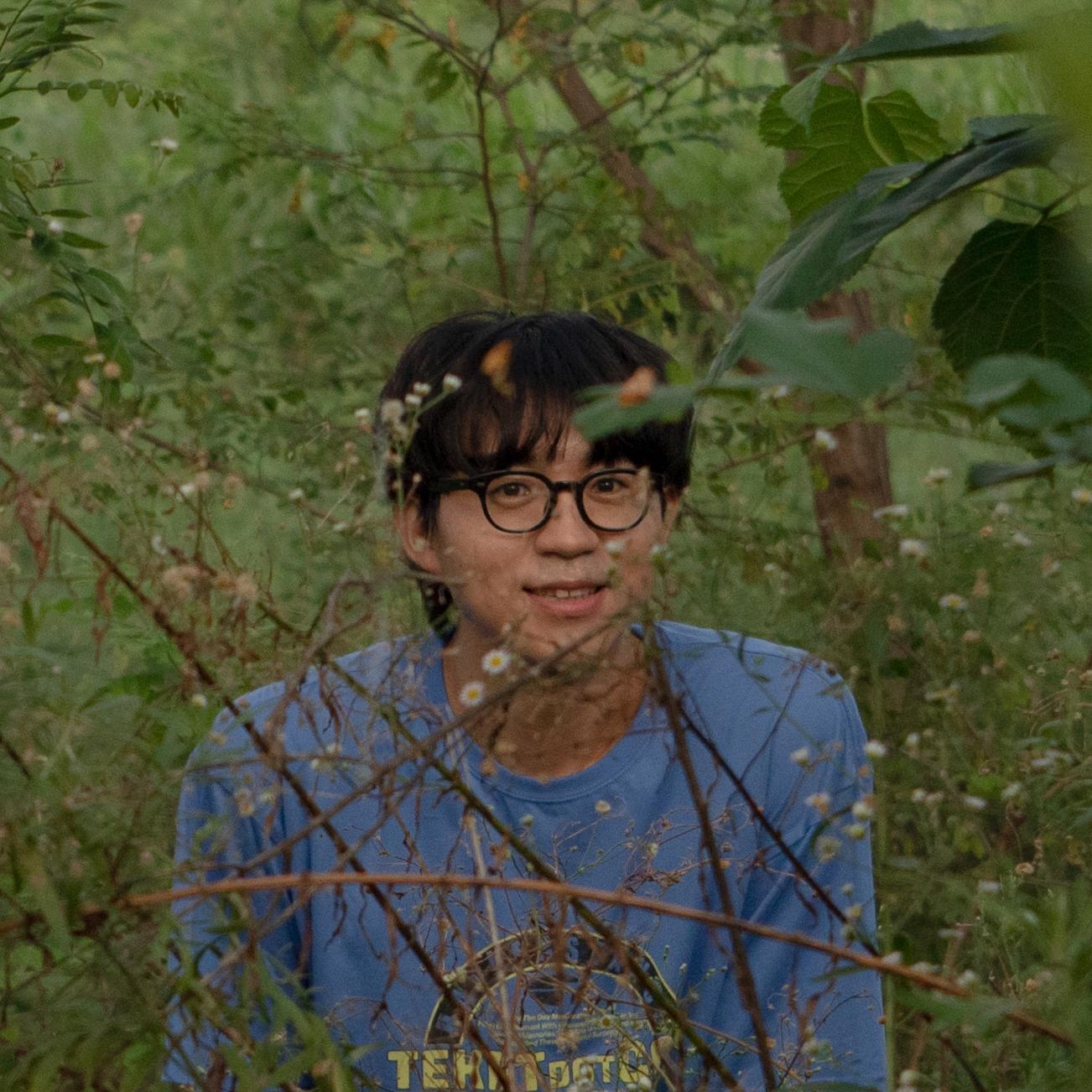
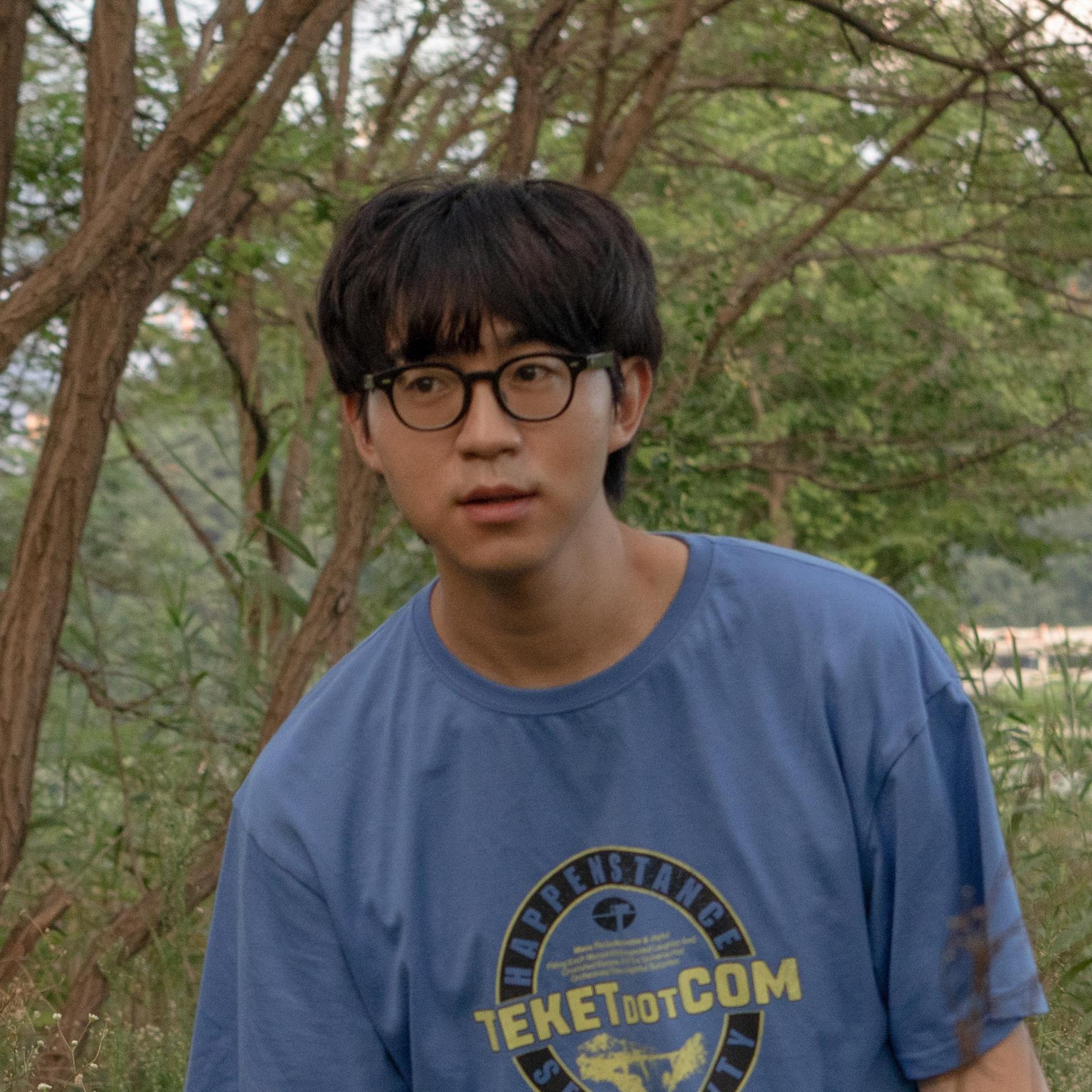
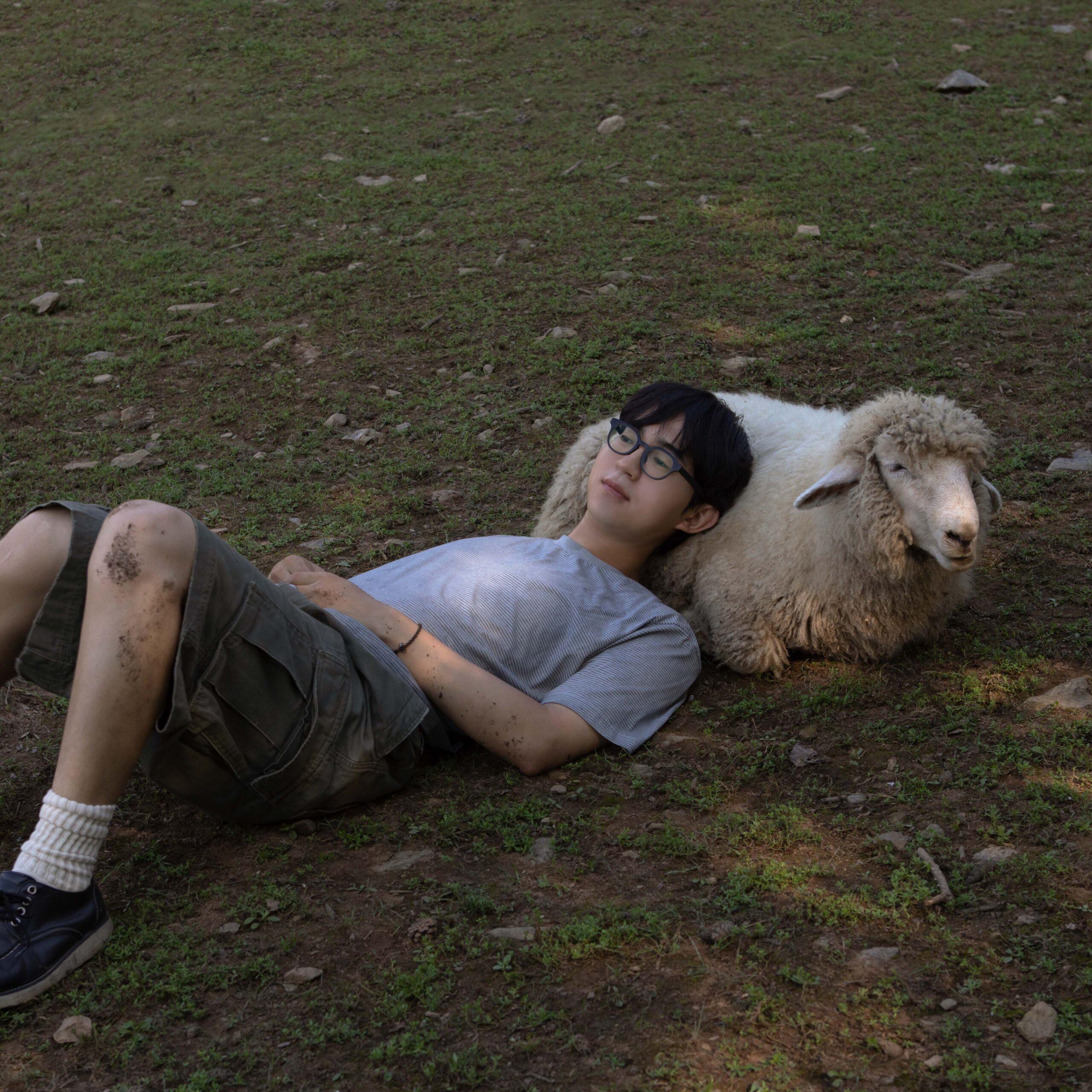
Career and Artistic Identity
You’ve collaborated with artists like SEVENTEEN’s DK, Red Velvet’s Wendy and Joy, and TWICE. Was there a collaboration that left you with a particularly important lesson that carried over into your solo work?
Working with DK from SEVENTEEN left a lasting impression. He’s already a remarkable vocalist, but watching him pay attention even to the smallest breaths taught me what true sincerity in music means. That experience continues to influence my solo work today.
In South Korea, where the music scene is dominated by major K-pop labels, do you see being an independent artist as a defining choice? What are the pros and cons, and what do you think is needed for the Korean indie scene to gain more visibility at home and abroad?
Being independent gives me both freedom and responsibility. The advantage is being able to express my own color fully, while the challenge is having to handle everything myself. For the Korean indie scene to gain more recognition, I think there need to be more diverse and daring attempts—musicians who bring something uniquely their own rather than repeating what’s been done. If more of those voices emerge, listeners around the world will naturally start paying more attention.
Across your musical journey, is there a song—your own or another artist’s—that became a turning point or a constant source of inspiration?
I would choose Radiohead’s No Surprises. It’s simple yet deeply resonant, and it constantly reminds me of the essence music should strive for. Among my own songs, campfire marked a personal turning point because it captured my most honest story in my own voice.
Looking to the Future
Thinking about basecamp release, how do you feel? What is your biggest hope for this project and for the fans, both old and new?
I feel both excitement and fear. But more than anything, I hope this album can become a small shelter for someone out there, and at the same time, a source of courage for new beginnings.
You’ve said your music, as a kind of “dialogue,” can bridge cultures and languages. In places like Italy, where listeners have already connected with your songs, how do you envision building that bridge further?
I believe music is an emotional channel that transcends language—what I would call empathy. The fact that listeners in Italy are already engaging with my music brings me great joy. One day, I hope to perform there in person and share the same emotions directly. That, to me, is the most meaningful kind of “dialogue.”
While we wait for this live dialogue to happen (soon, we hope!), there’s only one thing left to do: press play and let the music do the talking. It’s an honest, universal, and deeply human invitation. Thank you, Dailog!
The images in the article were shared by the artist, who holds the copyright.
Post correlati
-
 Seoulful Konfessions: JYLEE
-
 You won’t find any other I’MIN interviews around. You are welcome.
-
 EYES ON: eaJ, a wandering soul finding his place in music.
-
 A hurricane called “Dragon Pony”: “Radio Silence” is here (+ Lyrics and Italian Translation)
-
 The Story Cultivator: An Exclusive Interview with Song Jinsun, the Producer Behind ‘True Beauty’ & ‘What’s Wrong With Secretary Kim’