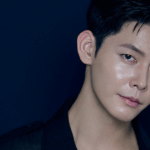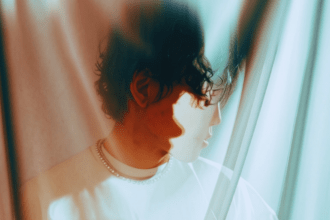
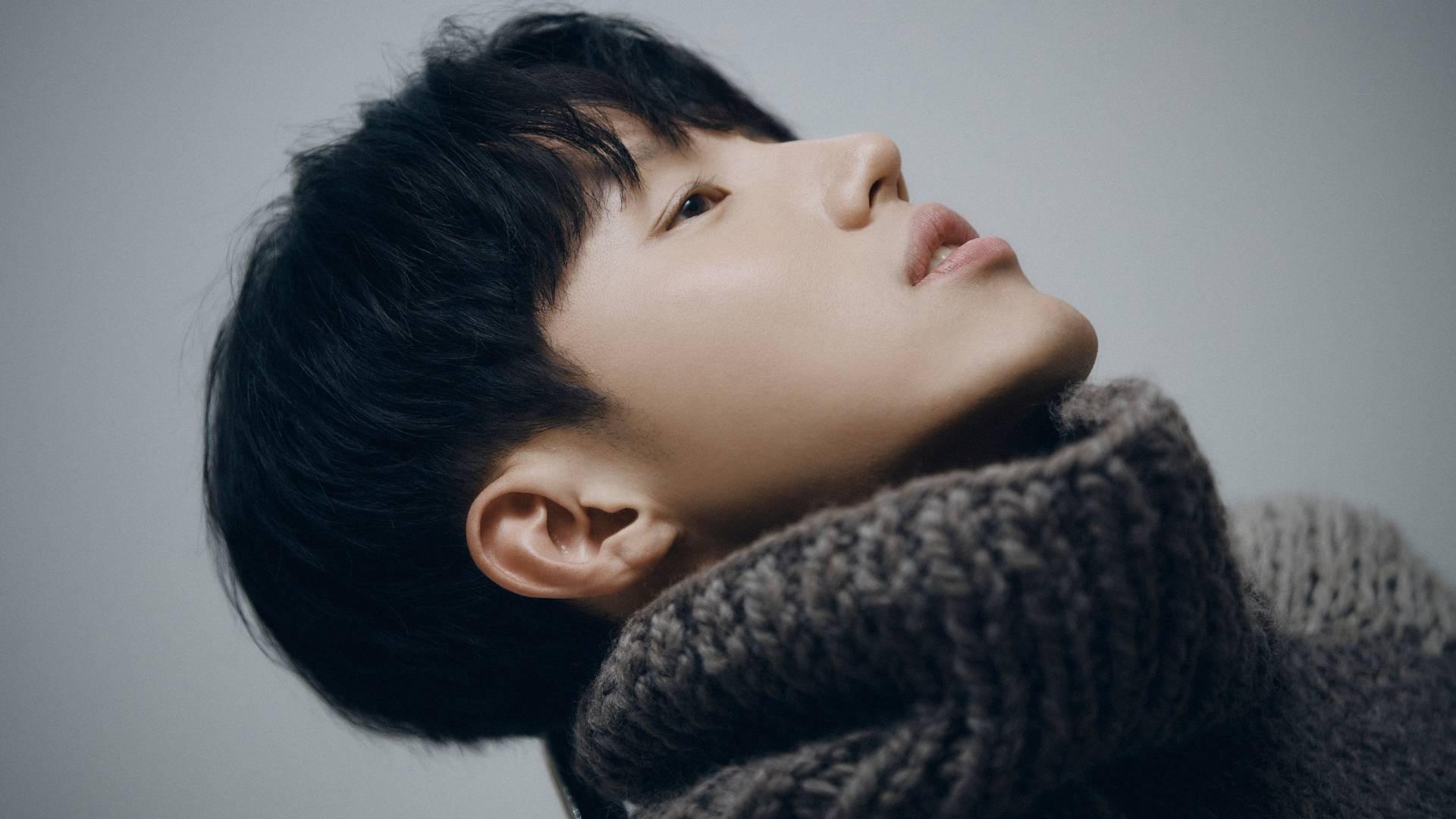

The strongest connection with an artist, for me, almost always sparks through a single song. A track that gets inside me and never leaves. For me, that moment came in 2021. The song was Winter Blossom and, in my opinion, it remains one of the most beautiful tracks ever released, a jewel of nostalgia and melodia that defines an entire state of mind. Since then, Dept has been a constant presence in my playlists.
Having an artist in your headphones for years means, whether you like it or not, building an image of them, a clear projection on the canvas of your imagination. And eventually, you come to expect, even just a little, to know the person behind those notes. For me, Dept was the artist of the “digital liner notes“—those small introductory texts found on streaming platforms like Spotify or YouTube Music, under a song, that function a bit like the old liner notes you’d find in CD booklets or on the back of vinyl records. He was the voice that explores “nostalgia and uncertainty.” I had pictured an introspective, dreamy, perhaps almost melancholic guy. For this reason, interviewing him was a desire I had cherished for a long time. The release of his new album, Dream Age, was the perfect opportunity.
I expected to meet the artist I had imagined. Instead, I found myself in front of a mature, self-aware person who is, as he puts it, “unexpectedly playful.”
It’s a fascinating contrast. And it’s a disconnect found throughout his entire story, in the series of dualities that define him. There’s the mechanical engineer, and there’s the DJ. There’s the producer who, for years, felt comfortable “behind the scenes,” sheltered, driven perhaps, as he admits, by “a bit of fear.” And there’s the singer who now faces the stage with “excitement and vulnerability,” finding the experience “maybe seventy times more rewarding.”
Reading his answers, one reflection struck me in particular, perhaps because it feels so distant from our own reality: the impact of military service. Not just an obligation or an interruption, but a “forced pause,” a “very confined environment” that paradoxically becomes a space for clarity. Who knows how many young Koreans experience that moment as an opportunity to question everything. For Dept, it was the exact moment he understood what he had to do. It was the catalyst that gave him the courage to abandon his academic training and the career path laid out for him to pursue music, “from zero,” facing a “period of desperation” just to move to Seoul.
I spoke with him about his name (that “Debt” he feels towards the art that preceded him), his creative process based on total trust in his “Department” (as he calls his teams), and his new album, Dream Age. But above all, I had the pleasure of discovering the deeply honest person hiding behind the artist I had been listening to for years.
So, here we are. Here is Dept.
Your journey is fascinating: from studying mechanical engineering to fully dedicating yourself to music after your military service. What gave you the courage to make such a profound change, and how does that initial determination influence your creative philosophy today?
I always wanted to make music. Before that, I learned DJing, so I already felt familiar with producing. Being in the military — a very confined environment — made me realize how much I wanted to pursue music once I got out. After discharge, I worked part-time jobs for six months in Jinju just to move to Seoul.That period of desperation gave me the mindset I have now: I don’t fear new challenges because I’ve already experienced what it means to start from zero.
Your stage name, “Dept,” merges the concepts of musical “Debt” and “Department.” You’ve explained that “Department” refers not to an academic entity, but to a team—a creative unit working together. How does this philosophy of collective work translate into your daily creative process, especially when you’re composing and producing?
For me, “Dept” has always been about the idea of a team rather than just an individual. Every project I work on starts with my direction in terms of songwriting, sound, and overall vision, but it grows through collaboration. I work closely with music directors and producers who share the same creative values, and I often trust my team with aspects like artwork or detailed production decisions. That trust allows everyone to bring their best ideas forward. Even though I guide the creative process as a director, I see it as a shared journey — one where everyone’s input becomes part of the final story.
Your new album, “Dream Age,” is described as a journey into a world “where light and shadow blur,” a record of the moments when “we meet ourselves.” Beyond being the story of your dreams , what message do you hope your listeners will take away from such an introspective concept?
Life is always a balance between light and shadow. When light comes, we don’t need to celebrate excessively, and when darkness comes, we don’t have to fall into despair. I’ve dreamed of being a musician for over 20 years, and I truly believe we’re living in an age where dreams can become reality if you keep moving forward. Through Dream Age, I wanted to remind listeners that no matter how uncertain life feels, if you believe in your own rhythm and continue walking your path, your dreams will eventually take shape.
Your music is deeply emotional, and the lyrics often explore universal feelings like nostalgia and uncertainty. How do you manage to convey these specific emotions across linguistic and cultural barriers, especially now that your music is reaching an ever-expanding global audience?
I try not to overthink it. For me, writing lyrics is like casting a wide net — you can’t control what stories or emotions people will catch from it. My songs touch on nostalgia, loneliness, fulfillment, and even the ideas of light and darkness, good and evil. I don’t want to confine those emotions within a single word or language. Music has its own emotional language, and when it’s honest, it naturally transcends borders. I just focus on telling genuine stories and trust that sincerity will always connect with people, wherever they are.
After establishing a strong presence in Asia with your tours , you’re now preparing for your first European tour. What inspired you to choose Europe as your next destination, and what does it mean to you to bring the world of Dream Age to a completely new audience?
European culture has always inspired me — not only musically, but also in the way it embraces art and individuality. It’s a place I’ve dreamed of performing in for a long time, so this tour feels like both a challenge and a reward. The theme of Dream Age is about chasing dreams and facing new horizons, so bringing this album to Europe feels deeply symbolic — like living out the very message of the record itself.
Many of your tracks are accompanied by poetic descriptions that guide the listener into the song’s mood, almost like “digital liner notes.” Does the music come first, or the emotional concept you want to explore? And how does this dialogue between sound and narrative develop?
I don’t really separate them. The message — the story I want to tell — always sits at the core of my work, but music and emotion evolve together. Since music is something you both hear and feel, the sound naturally becomes part of that message. Sometimes the lyrics inspire the melody, and other times the sound leads the story. It’s a constant conversation between words and emotion, and that dialogue is what makes the process meaningful to me.
Meeting your European fans for the first time is a significant moment. Beyond the music, what connection do you hope to create with them? Is there a part of your “new culture” that you’re particularly excited to share with an audience that might know you primarily through streaming?
I want to show my human side. Many people know me through my songs, artwork, or lyrics — the emotional, introspective parts of who I am. But in person, I’m actually quite playful and lighthearted. I like humor, and I enjoy connecting with people in a natural way. I think when fans see both sides — the artist and the person — it creates a deeper and more genuine bond. That kind of honest connection is something I’m really looking forward to on this tour.
Global collaborations are a key element of your sound. Do you feel this cultural exchange is essential to your philosophy of “repaying the debt of genuine music”? And how do you think this approach will influence your music as you continue to expand into new territories like Europe?
Every form of art — especially film and music — owes a debt to what came before. Nothing is truly created in isolation. I believe collaboration is the natural language of our generation. It’s how creativity evolves and how genuine art continues to grow. In that sense, the name “Dept” and the philosophy behind it reflect the times we live in — an era where sharing ideas and inspiration across cultures isn’t just meaningful, but essential.
You’ve transitioned from being a producer “behind the scenes” to the lead singer on stage. How has this shift changed the way you experience and perform your own songs, especially intimate tracks like those from Dream Age?
It changed me a lot. As a producer, I was comfortable staying behind the scenes — earning money, making music, but not being known. Looking back, there was a bit of fear in that. Becoming a singer and showing my face to the world brought both excitement and vulnerability. Now, I feel more connected to my music than ever. The energy and encouragement from people make the experience so much more fulfilling — maybe seventy times more rewarding — even if it also comes with a little more anxiety.
With the album Dream Age exploring dreams and a tour bringing them to life around the world, what is the next “dream” for Dept, both as an artist and as the founder of Unikorn Union? How do you see your “new culture” evolving after this European experience?
My next dream is to build a platform — a creative ecosystem where artists and creators around the world can connect, collaborate, and grow together. I want it to be a space where ideas circulate freely and where genuine art can inspire more genuine art. I hope to keep expanding that “new culture” — one that values sincerity, connection, and collaboration across borders.
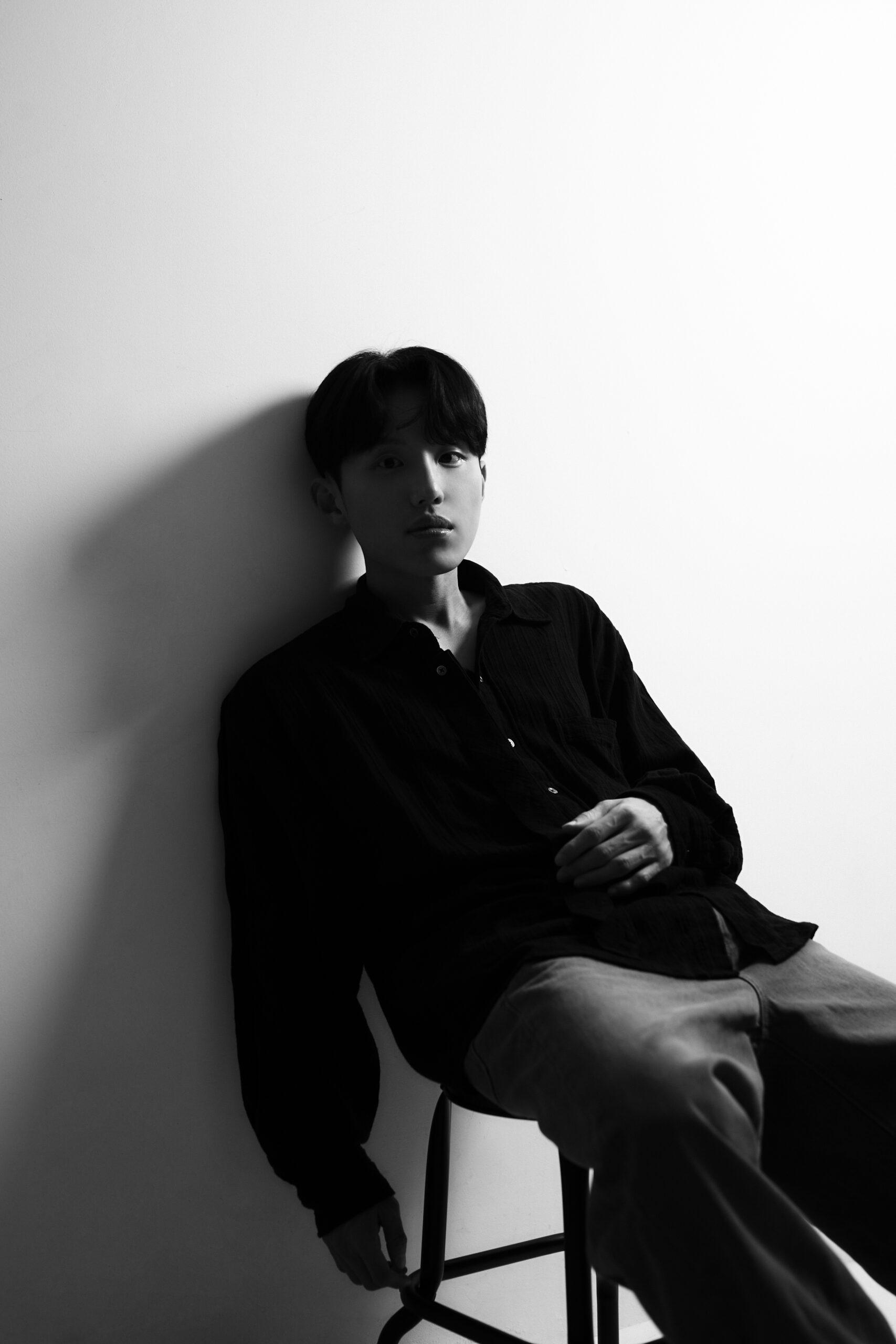
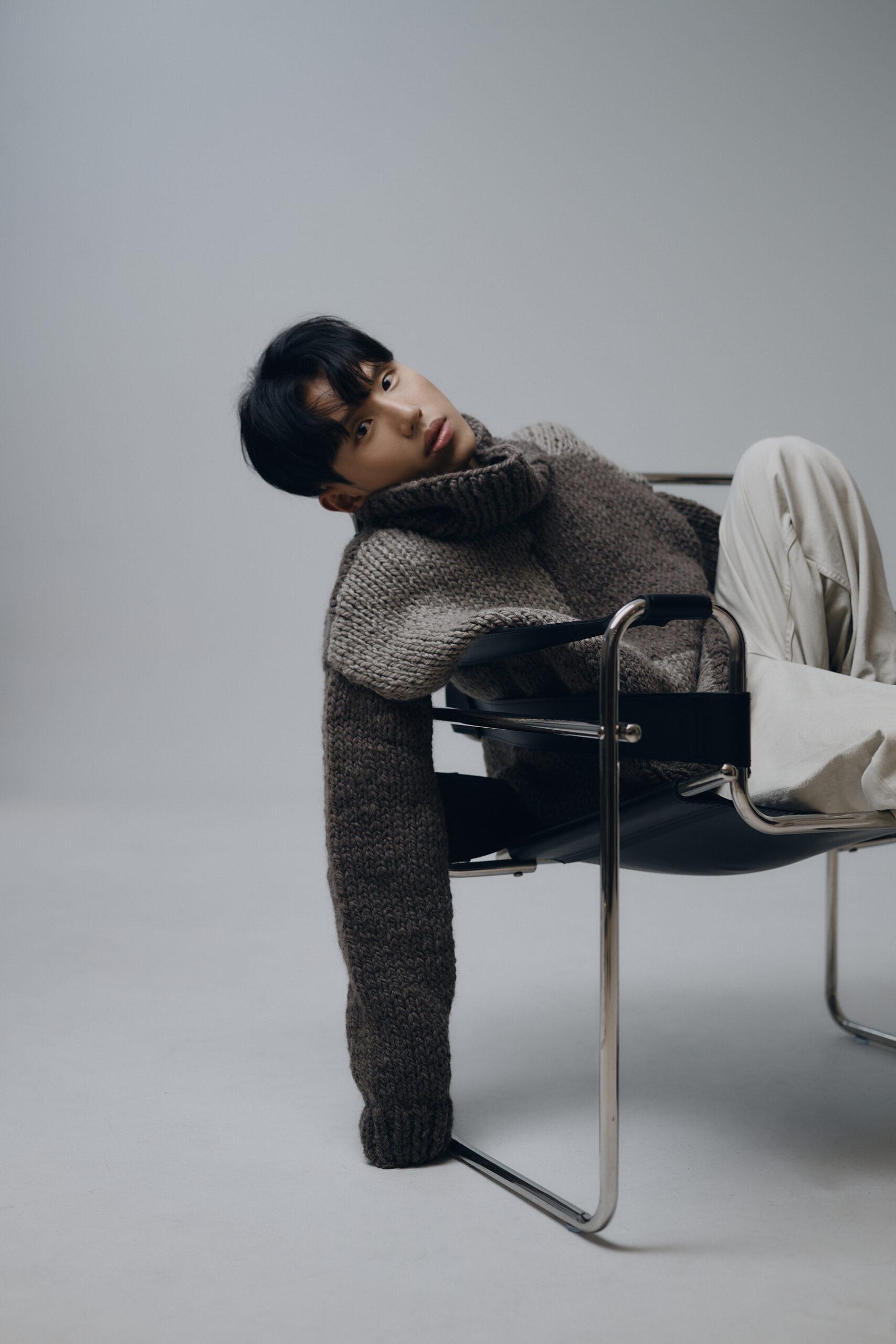
The interview with Dept comes to a close, and the image I had of him has been turned upside down. Or rather, it’s been completed. The melancholy soul of Winter Blossom exists, but now I know it coexists with an “unexpectedly playful” leader and the mature vision of Unikorn Union’s founder. And now I get that the Dream Age meaning— the story of how dreams are truly built: by finding the courage to embrace the shadow in order, finally, to shine with one’s own light.
Post correlati
-
 Exclusive Interview: SUNHO, the new Seoul’s intimate sound.
-
 STi, the auteur of K-R&B, in an exclusive interview: ‘Success is being able to express my heart’.
-
 Inside the “Shirosky System”: Exclusive Interview with a Musician Who Collects Patterns
-
 “I chose the path I love”. Exclusive interview with the singer and songwriter Eunhye.
-
 Aaron Young: The New Chapter with the Ma Jia Xian EP. Our Exclusive Interview
-
 K-Pop’s Secret Hitmaker: An Exclusive Interview with Dailog