
Thanks to Yume for her technical expertise.
In a global landscape where the Korean Wave has become an unstoppable force, a new chapter is being written with bold fabrics, designs, and visions. Interest in K-fashion is at an all-time high—a creative energy spreading from Seoul to Europe with ever-increasing momentum.
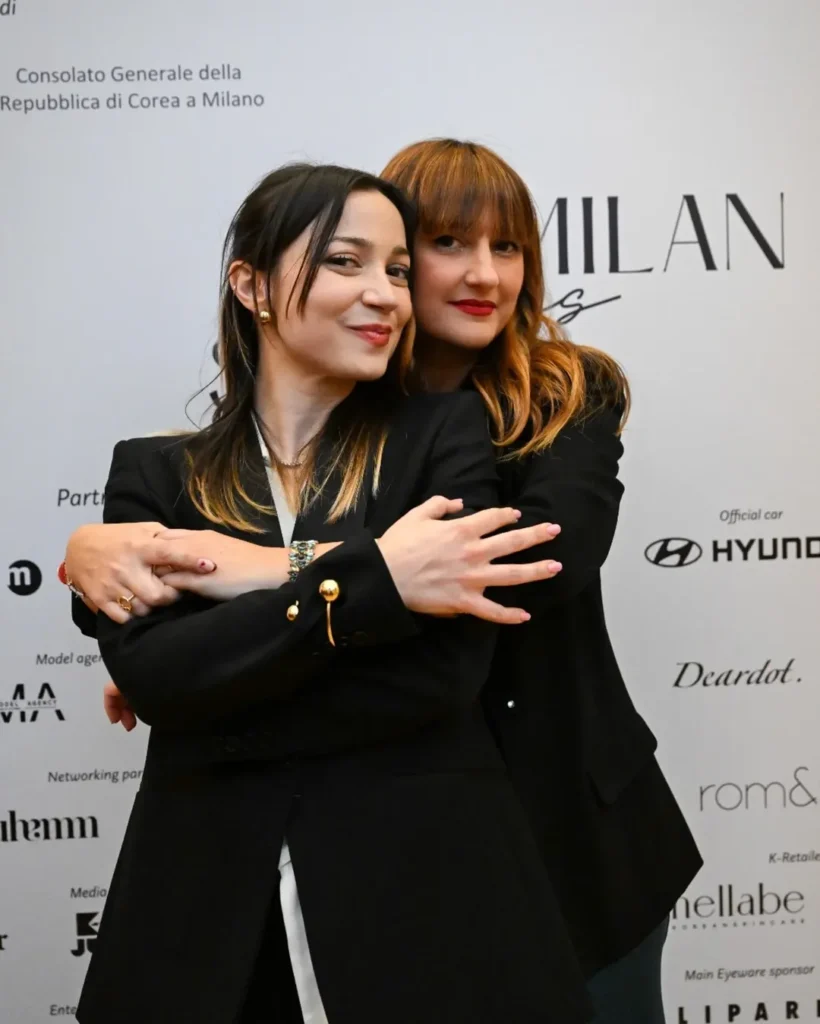
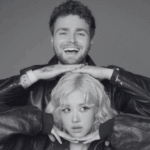
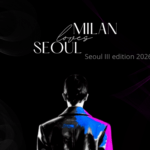
To fully understand the dynamics, challenges, and immense potential of this phenomenon, we turned to those who have made the dialogue between the two cultures their mission: the team at Milan Loves Seoul. From their unique experience, shared in a conversation with founders Marcella Di Simone and Ylenia Basagni (left), a clear picture emerges.
At the heart of k-fashion lies a distinctive ability to merge aesthetics and innovation. Unlike many traditional approaches, here technology is not just a tool, but an integral part of the brand’s narrative.
This is manifested in the use of augmented reality, in immersive installations that transform flagship stores into true destinations, and in the
complete digitalization of the customer journey. It’s a language that resonates especially with younger audiences, who are looking for hybrid experiences that merge the physical and digital worlds.
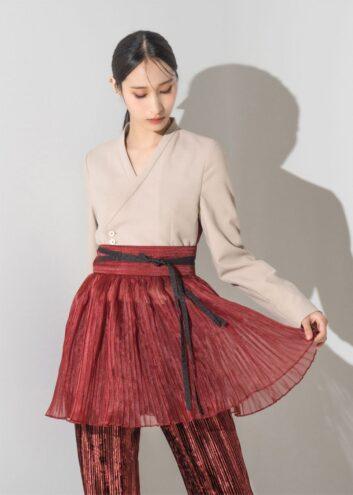
This fusion of past and present, explains Marcella Di Simone, creates “a powerful and recognizable visual identity that feels exotic but not distant.” It’s an intelligent and creative way to be culturally rooted while still speaking a global language. In contrast to European brands, often more tied to craftsmanship and heritage, Korean designers prove to be more fluid, experimental, and incredibly attuned to the language of social media. It’s no coincidence that many collections are conceived from the start for their potential to go viral on Instagram or TikTok. This fast & smart mentality, combined with great agility and responsiveness, is one of the keys to how they connect so effectively with the new global generation of consumers.
Korean culture has already captured the global imagination with k-drama, k-pop, and k-beauty; fashion is still in an early phase of establishing itself, but its potential is extraordinary. Young designers stand out for a fluid and visually sophisticated sensibility, capable of creating brands with strong identities. To transform this potential into global success, strategy becomes crucial. It’s necessary to build a coherent and visually compelling narrative for international media and buyers. On this path, developing solid collaborations and connections with Italian brands and Made in Italy entities is a key step for entering the market. Product quality is essential, but it must be matched by the ability to tell its story and position it correctly.
In this context, the role of retail is also being rethought. In an era dominated by e-commerce, the physical store experience remains a fundamental piece of the puzzle for Korean brands wanting to establish themselves in Europe. Far from being obsolete, retail has transformed into a powerful tool for branding and storytelling. For a brand aiming for a premium position, direct contact with the public is a strategic opportunity to convey values, materials, and an atmosphere that the online world cannot replicate. Gentle Monster example is emblematic: it has revolutionized the concept of the retail store, turning it into an art installation. The store is no longer just a place to buy, but a place to experience an aesthetic and enter a narrative universe, which has a powerful impact on the perception of value and quality. Opening a store, even a temporary one, is a smart move to build trust and establish an authentic position.
Ylenia Basagni concludes the point with a powerful summary: “Online, you can generate desire. But offline, you can build a relationship. And in the long run, it’s the relationship that truly makes the difference.“
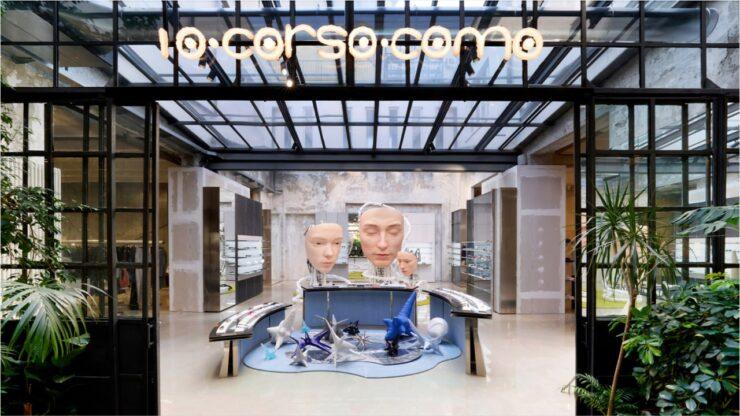
Looking to the future, any comparison between K-fashion and K-pop or K-beauty, however inevitable, must be made with caution. Fashion follows a different set of rules and takes longer to build its credibility. The most probable outcome doesn’t appear to be the rise of a massive luxury conglomerate—a Seoul-based LVMH. Instead, the true strength of k-fashion will likely reside in a dynamic ecosystem of independent, visionary, and often digitally native brands with powerful visual identities.
This agile model—adept at engaging with a global audience through social media and collaborations—could become the defining feature of Korean fashion on the world stage, provided it is backed by the right policies and platforms.