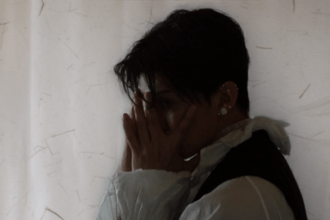
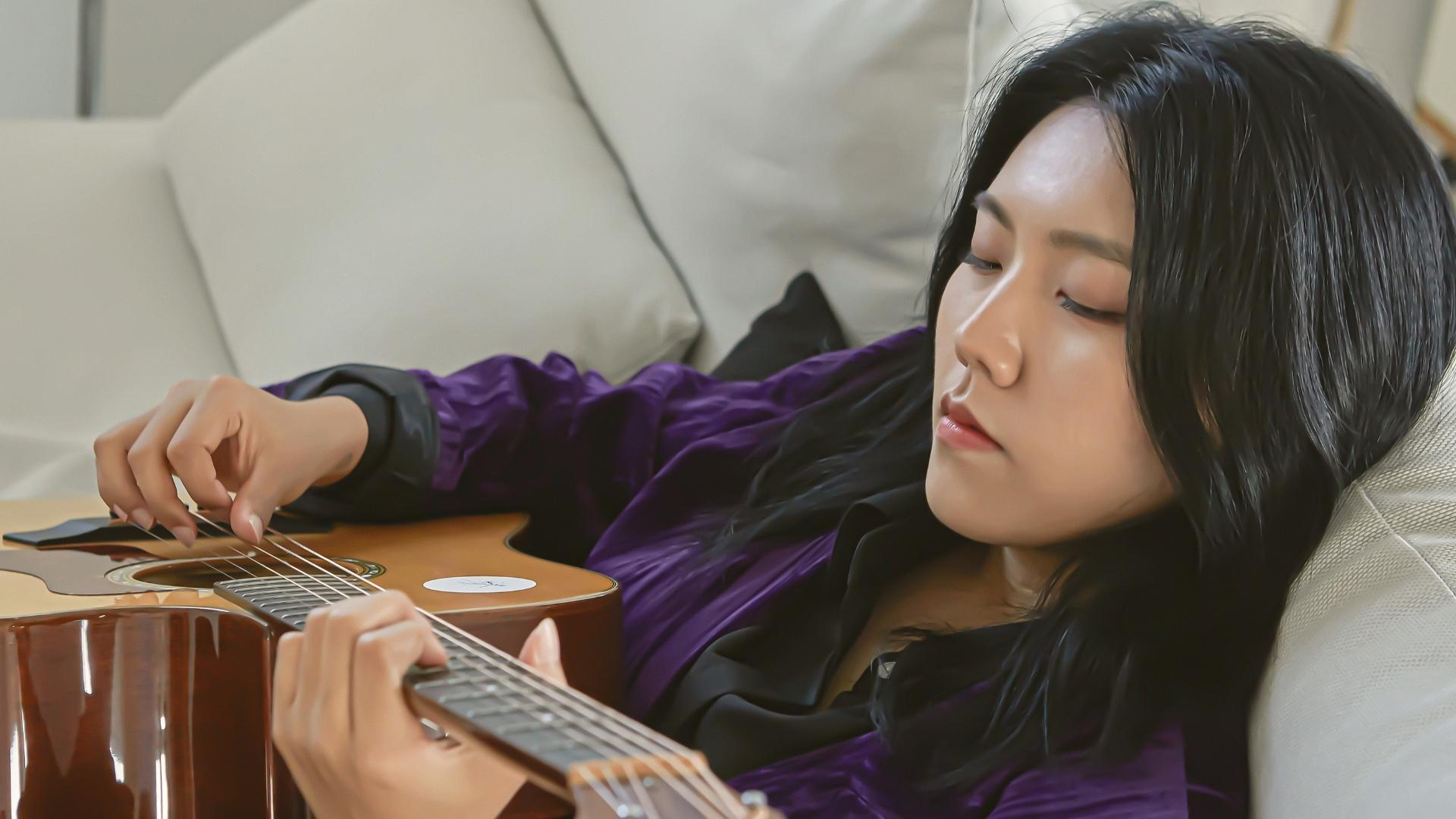

If you’re a K-drama fan, you definitely know her voice. It’s the one that broke your heart in Mr. Sunshine and lulled you in It’s Okay to Not Be Okay.
That voice belongs to Elaine Kim, an artist the public has crowned Queen of OSTs. It’s a role she, humbly, calls her “homework”: a structured job, performed with impeccable grace for someone else’s story.
But then, there is her, and her truth.
The truth, safeguarded in a trilogy of diaries. Her studio albums, 1, 2, and now 3, are not soundtracks. They are, by her own admission, “the most honest recording of my fears, my pain, and my sadness.” A project born out of necessity, with the urgency of one who writes because they “must” do it.
This is the Elaine who has stripped everything bare. The artist who went from the insecurity of the first album (“I didn’t know who I was”) to the direct challenge of the third: “Now I know what I like and what I don’t. […] You might not like what you see, but I like it.”
With 3, she performs the closing ritual for that diary. The exploration of her fragility is (for now) complete.
We spoke with Elaine about this fascinating duality, the tension between the public voice and the private truth, and what happens, artistically and personally, when you decide to set aside the diary that has accompanied you for so long and start a brand new chapter.
And here is our interview with Elaine Kim.
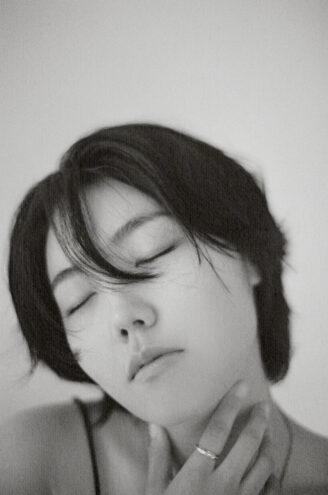
Your studio albums 1, 2, and now 3 have all been described with the same phrase: “the most honest recording of my fears, my pain, and my sadness.” Do you see these albums as a “diary trilogy” documenting your emotional evolution? And now that 3 is out, how does it continueor perhaps concludethe chapter that began with the first two?
My first album came out in my early twenties, when I was unsure of who I was and just reacting to things in my own way. The second was in my mid-twenties, when I was trying to fit in trying on different clothes, doing things people seemed to like. And the third, in my late twenties, came after trying all those things. I now know what I like and what I dont. I have a better sense of who I am, and I can comfortably say, This is me. You might not like what you see, but I do.It definitely concludes my diary trilogy. Its been a journey of finding out who I am. Now that I know myself a little better, Im looking forward to the next chapter both in life and in music.
You’ve described your acclaimed work on soundtracks as “homework” that helps you grow, while your albums are deeply personal. How do you navigate this fascinating artistic duality? Does the structured work for K-dramas influence the way you approach the creative freedom of your own albums, or are they two worlds you manage to keep completely separate?
My personal albums are an explorationwithinmyself. Drama OSTs are an explorationoutsideof myself. Both have their own excitement and purpose. When I make my own albums, I have many tools melodies, words, harmonies, instrumentations to express who I am. But with drama OSTs, my voice is the only tool I have. That means the emotion has to be fully carried through it. It pushes me out of my comfort zone and keeps me growing. Both are equally fun in different ways.
Your career began with inspiration from Damien Ricenot to become famous, but from a desire to “create that kind of song” capable of transporting the listener to a “different space.” After three albums and countless hits, do you feel you’ve succeeded in creating that space for your listeners? And how has your own definition of a “beautiful song” evolved over time?
Ah, I wish I could turn off that critic ear when I listen to my own songs so I could experience them like a fresh listener. My mind instantly goes to what I missed, what I couldve done better, or what I was feeling when I wrote it. Its hard to justlet it take me. So I cant really tell if Ive succeeded, you’d have to tell me.
You’ve compared singing live to wearing “comfortable clothes” versus the “formal attire” of studio recording because it reveals a more personal side. With the deeply intimate music of 3, how do you imagine translating this vulnerability onto the stage? Will audiences at your concerts meet an even more “comfortable” and authentic version of Elaine?
I think so. As Ive become more familiar with myself through making this album, I feel like I have more to share. I have a showcase on November 9th, which will be the first real walk of these songs, and Im preparing to share the stories behind each one what they mean to me, and how they came to be. I want it to feel like an honest conversation with the audience.
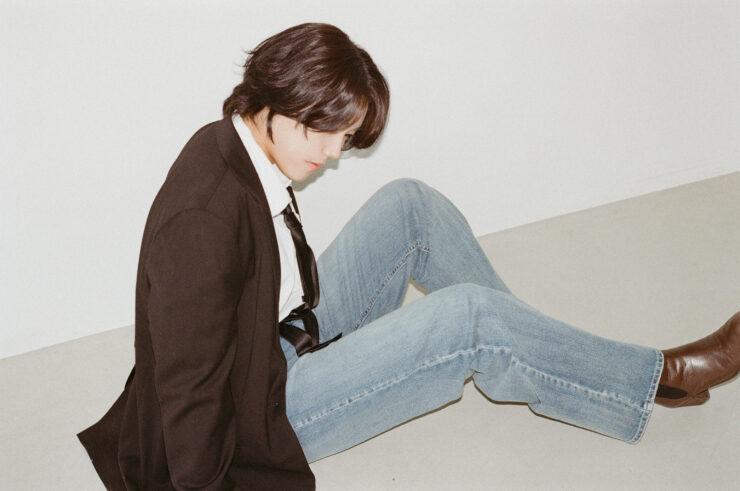
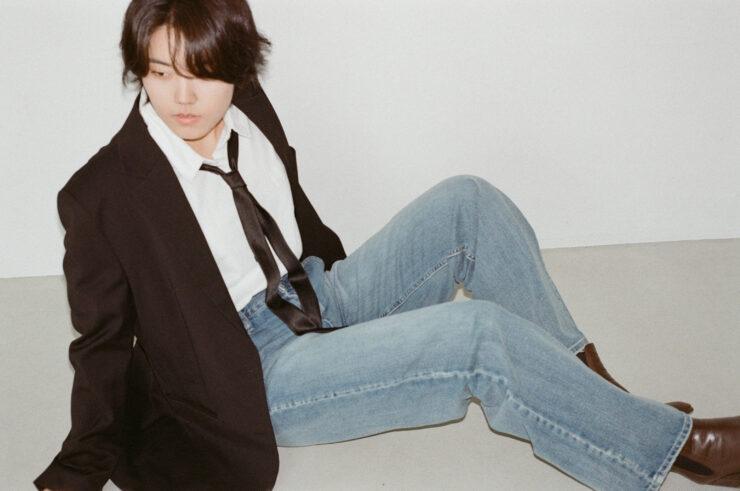
Moving from album 1 to 2, you took on greater creative control, writing and composing everything and collaborating with legendary musicians like Jung Jae-il. How did working with artists of that caliber impact your confidence as a songwriter? And how has your writing and production process evolved for album 3?
I’m just grateful to have worked with so many amazing musicians. It does make me feel like my music is good enough for them to say yes to my ideas. But I dont let that become prideful I just love watching how they connect with the songs and add their own colors. It was a similar process this time too, but I intentionally included a wider range of sounds, genres, and musicians. I wanted this album to feel like an open space with many shades and textures.
In your music, which often explores themes of ‘fear, pain, and sadness,’ a track like ‘Let’s Move to an Island’ from your third album feels like a gentle invitation to escape. What role does hope, or fantasy, play in your creative process, especially when you’re dealing with such deep and complex emotions?
I think one of the greatest gifts of being human is imagination. It allows us to escape pain, seek comfort, and discover what we truly want. Guessing what something would feel like, imagining myself in that moment, then turning it into a song its like a game to me. Theres a song called Coffee & Cigarettes from my second album, where I imagined what those two things might mean to people who love them so much even though I dont do either. I enjoy that kind of wondering. Its a safe kind of adventure.
Your voice is your most recognizable instrument. When you write for yourself, as in 3, do you think about how its unique nuances can serve the story you want to tell, or do the melody and lyrics come first, and the voice adapts to them?
For me, they all come together at once. Thats what being a singer-songwriter means to me singing, writing words, and creating melodies all happen side by side. I dont overthink it. My songs are my diaries, a place where I can be free, make mistakes, and feel safe.
You are widely known as the “Queen of OSTs,” a voice that brings other people’s stories to life. Your own albums, however, tell your story. Is there ever a tension between the Elaine the public knows through the dramas and the Elaine who reveals herself, shyly and honestly, in her albums?
I do wonder about that sometimes. Some people found me through drama OSTs, and others through my albums. I sometimes think about whether they feel a disconnect between those two sounds. But I believe my voice bridges them together. My way of expressing emotion through singing I hope thats what reaches them, regardless of the context.
Sharing “fear, pain, and sadness” is an act of great vulnerability. What drives you to explore these emotions so openly? Is it a cathartic process for you, or do you hope that listeners find comfort in recognizing their own frailties in your music?
I write because I have to. I dont think about whether its cathartic or for the listeners its just how I process my emotions and thoughts. Even if I werent a musician, Id still write. It was actually surprising to learn that what felt so personal to me could also resonate with someone else. Its heartwarming to know that what helped me through my difficult times might also bring peace to someone else. I hope my songs keep doing that.
With album 3 closing this “diary trilogy,” do you feel a chapter of your personal exploration is also concluding? What do you see in your artistic future? Are you ready to explore new thematic or sonic territories, perhaps stepping out of that “comfort zone” you’ve mentioned in the past?
Yes, I think so. The trilogy was my record of finding my place in the world, and now that I have a better sense of where I belong, I want my next works to be different more intentional. Thats why I said from the start that this album would be the last of my diary trilogy. I dont yet know exactly what comes next, but I know I want to explore new directions. I cant wait to see where the music takes me next.