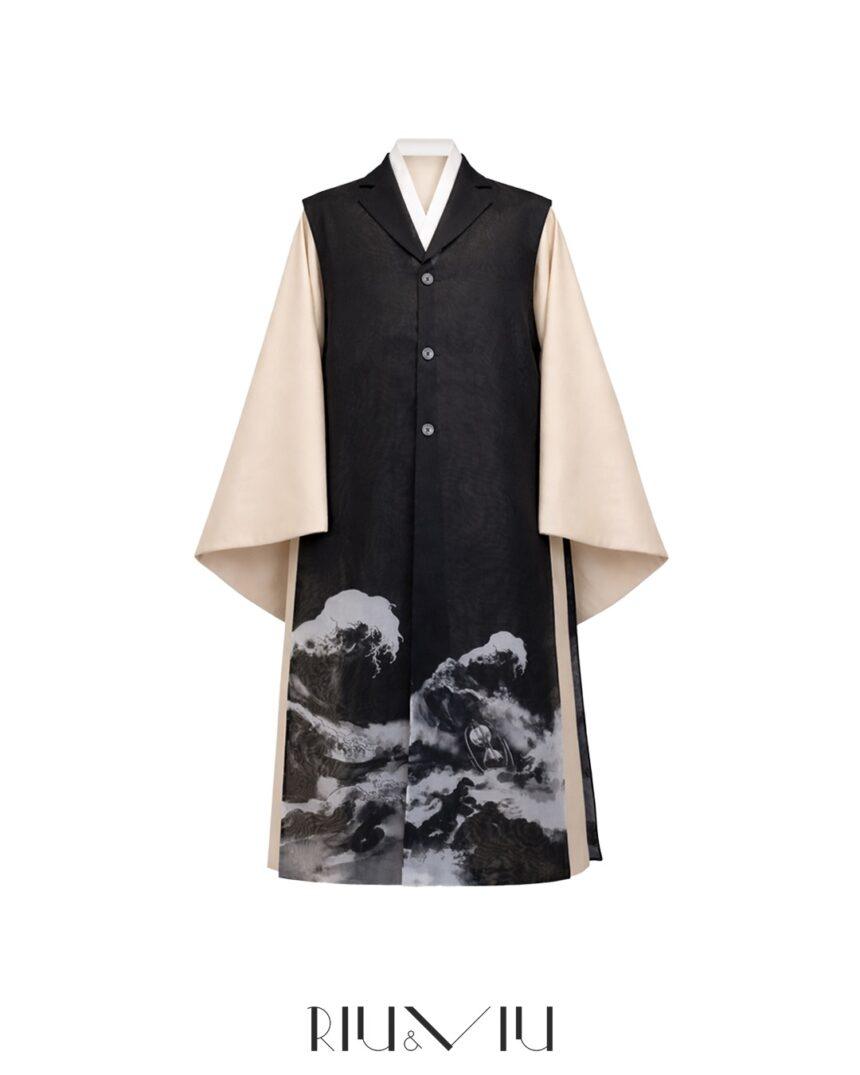
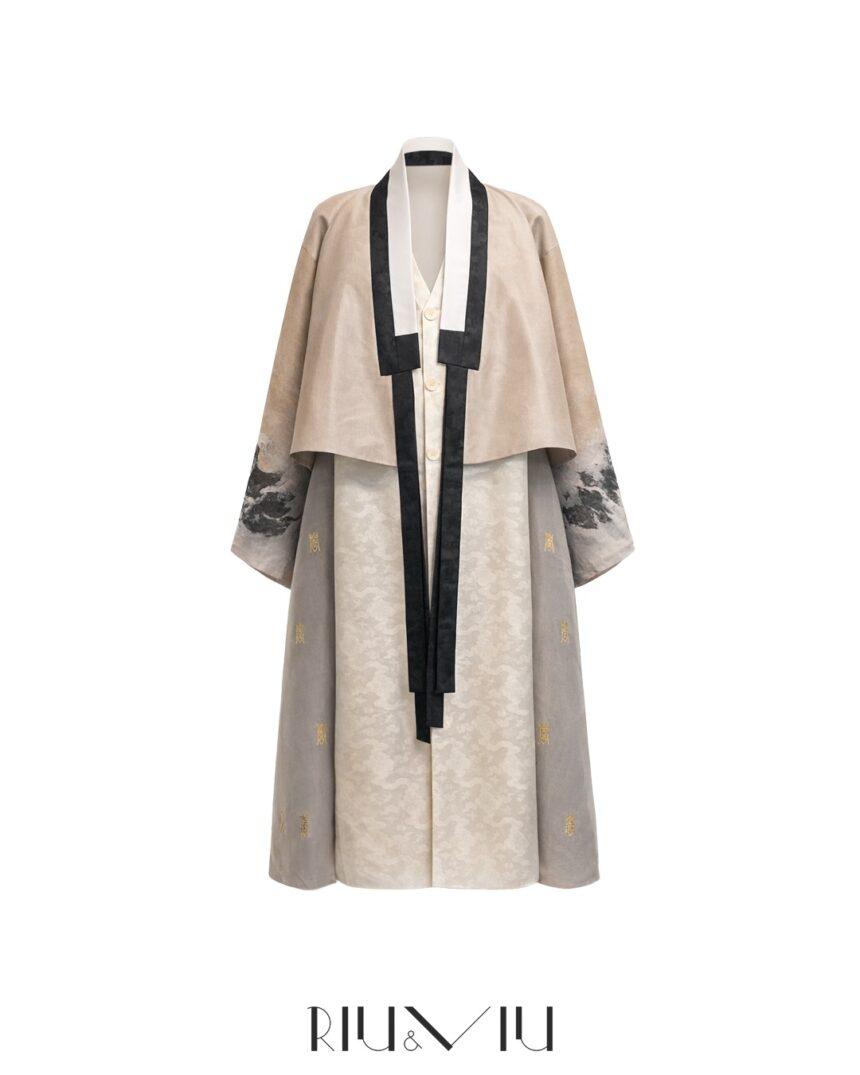
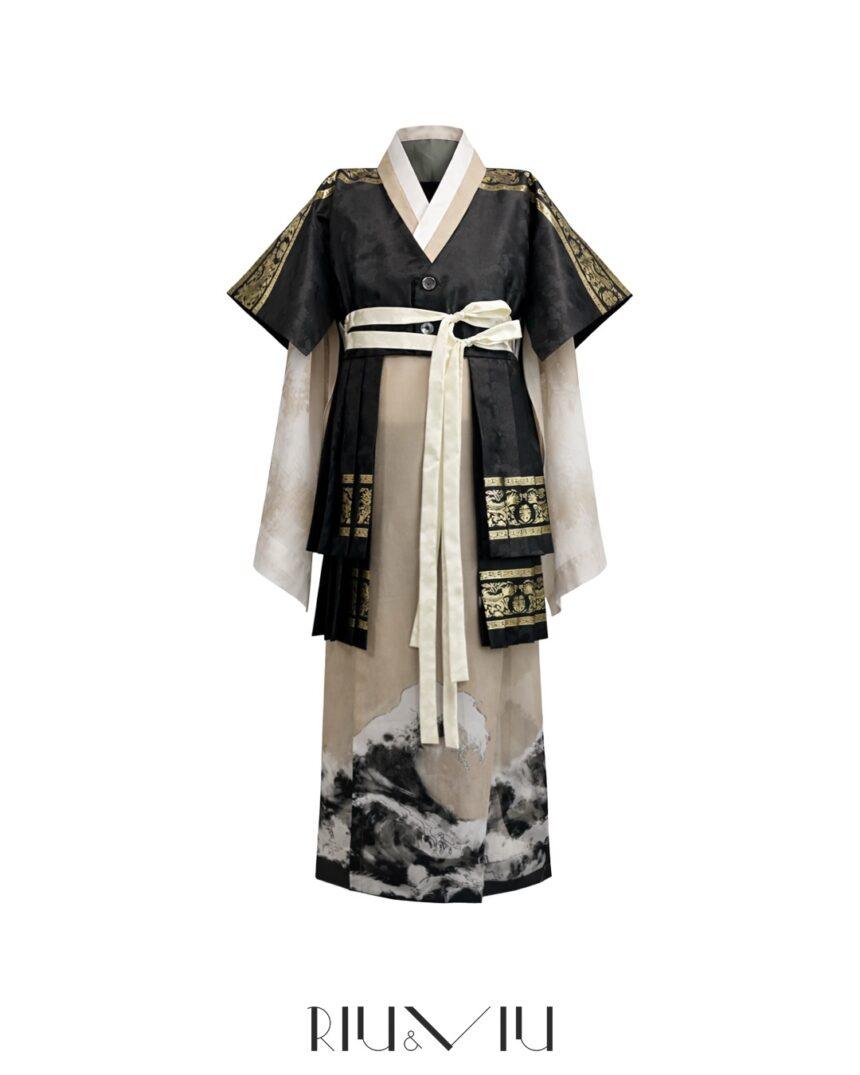
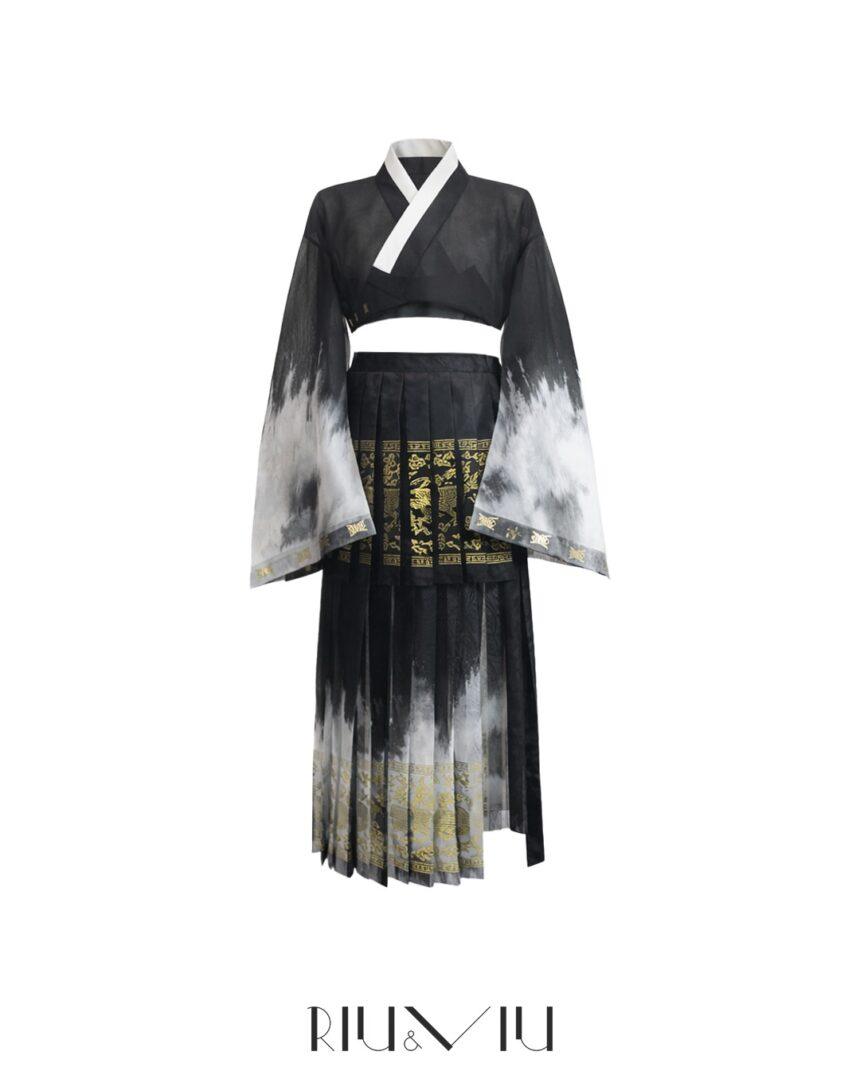
From Joseon to the stage: RIU&VIU’s costumes for ATEEZ at Gayo Daejejeon

Rachele
By Rachele
58 Min Read

K-pop closed out 2025 with the annual Gayo Daejejeon, the year-end event that brings together the industry’s leading artists.
The theme of this edition was 멋 (meot), a uniquely Korean concept that celebrates individuality and authentic self-expression

ATEEZ Credits: ATEEZ via X

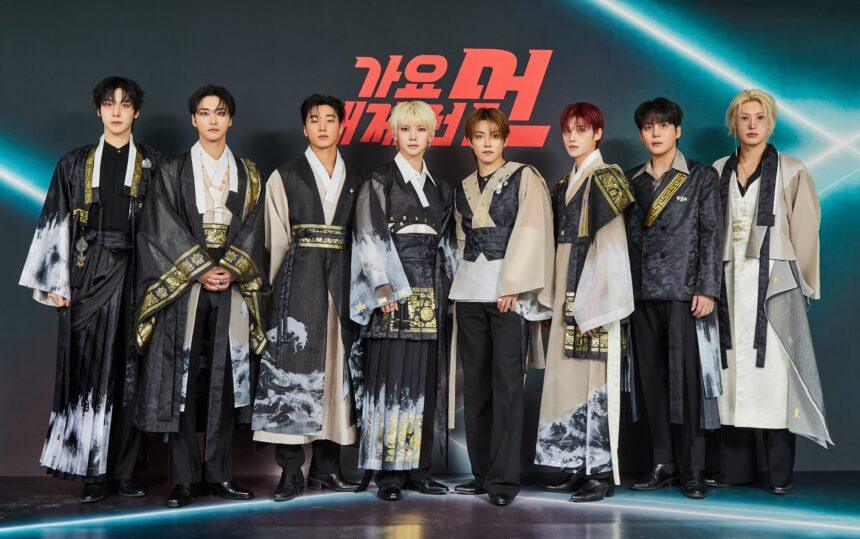
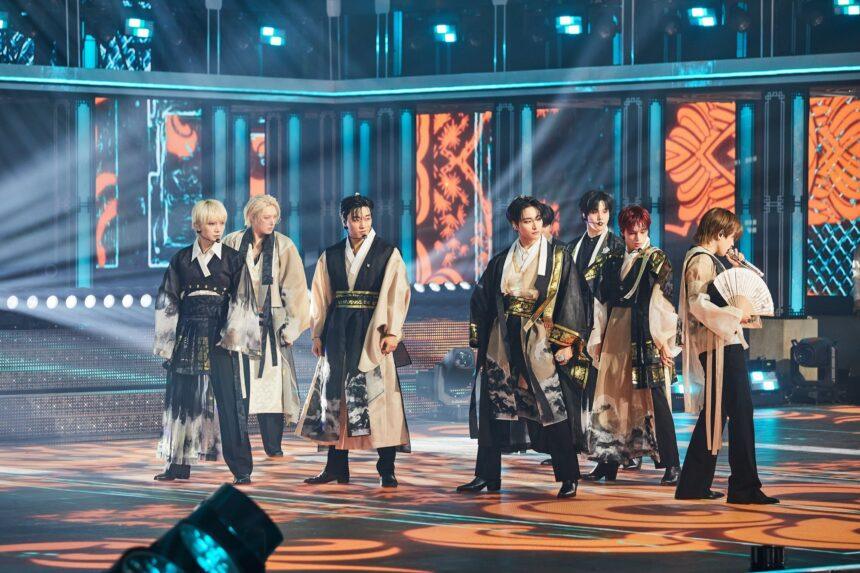
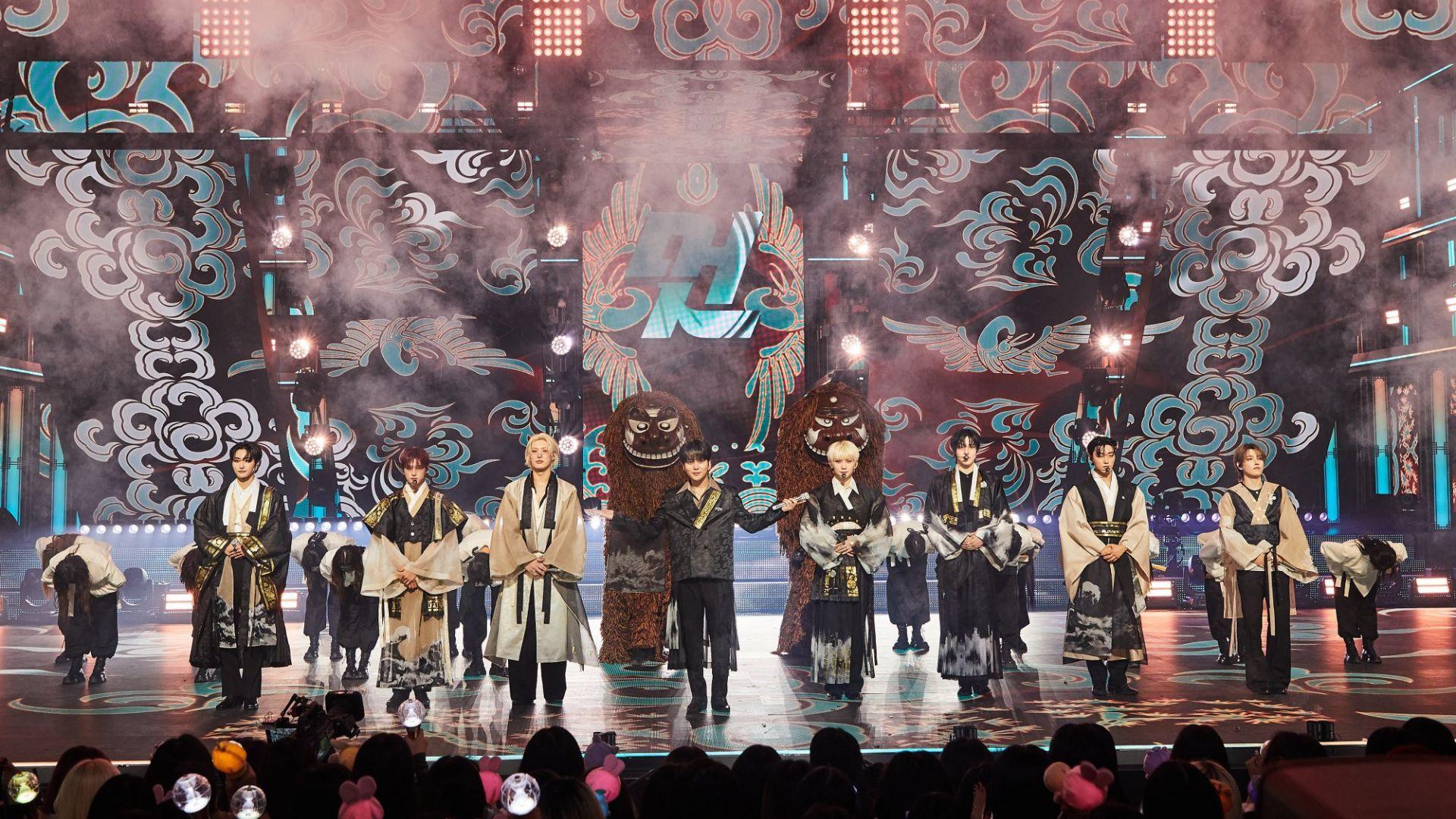
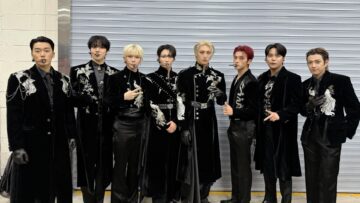
ATEEZ had the honor of opening the night with a performance that perfectly embodied this theme: (The Real) (: Ver.)”, wearing custom stage outfits created by RIU&VIU in collaboration with the group’s stylist.

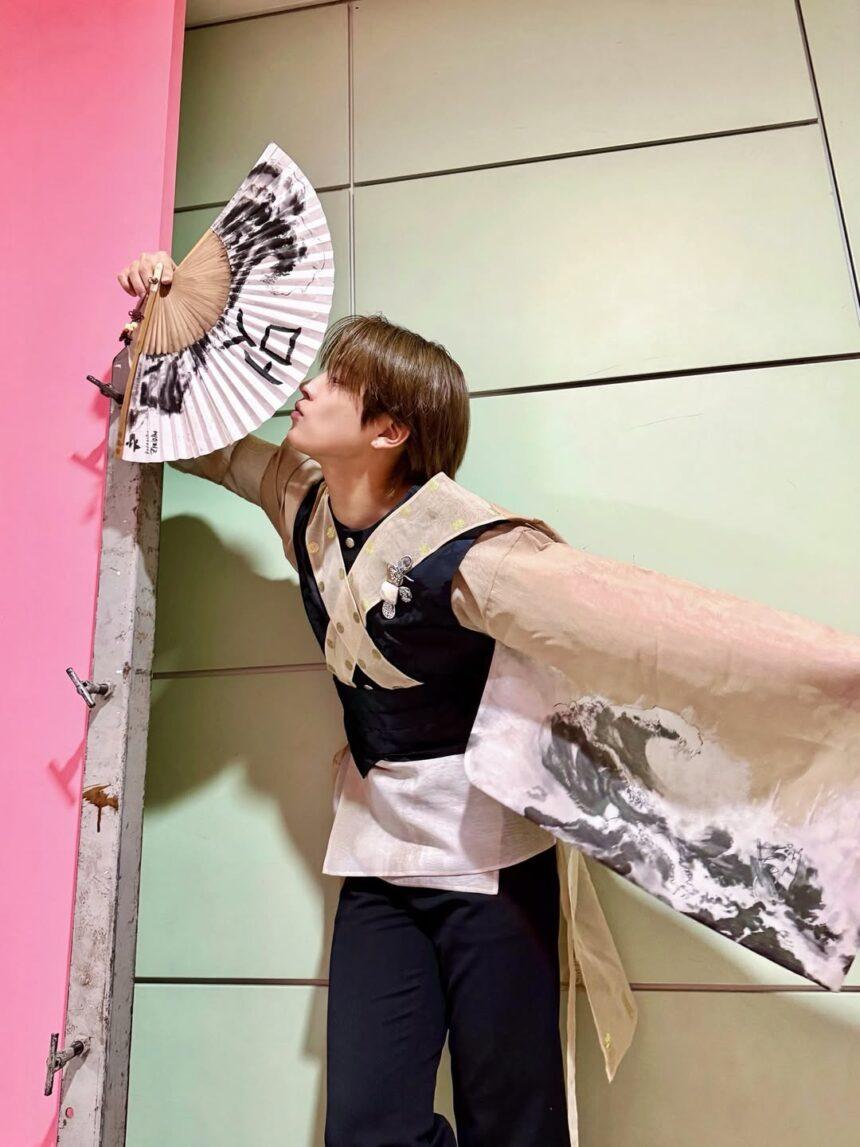
The stage was filled with references to Korean tradition. Traditional folding fans appeared throughout the performance, with Hongjoong’s fan featuring the hand-painted character .” Elements inspired by Bongsan Talchum (봉산탈춤), a traditional masked dance known for its satirical, animal-like figures, further enriched the visual narrative.

The Meaning of “ (The Real) (: Ver.)”

Often translated as “stylish” or “cool,” takes on a deeper significance in ATEEZ’s interpretation. As San explained in an interview, the song goes beyond surface aesthetics to establish the true meaning of ‘The Real’. At its core are values such as kindness, humility, and sincerity.

True elegance, San emphasized, is internal rather than visual.
The message is clear: being “cool” is not about following trends, perfecting an outfit, or moving within the right circles. Authenticity is rooted in moral values, which are what ultimately make someone genuinely “real.”

Hongjoong mostra il ventaglio con il carattere '멋' (Meot). Credits: Hongjoong via Instagram
Hongjoong holding a fan with the character ‘멋 (Meot)’ Credits: Hongjoong via Instagram

RIU&VIU: A Dialogue Between Past and Present

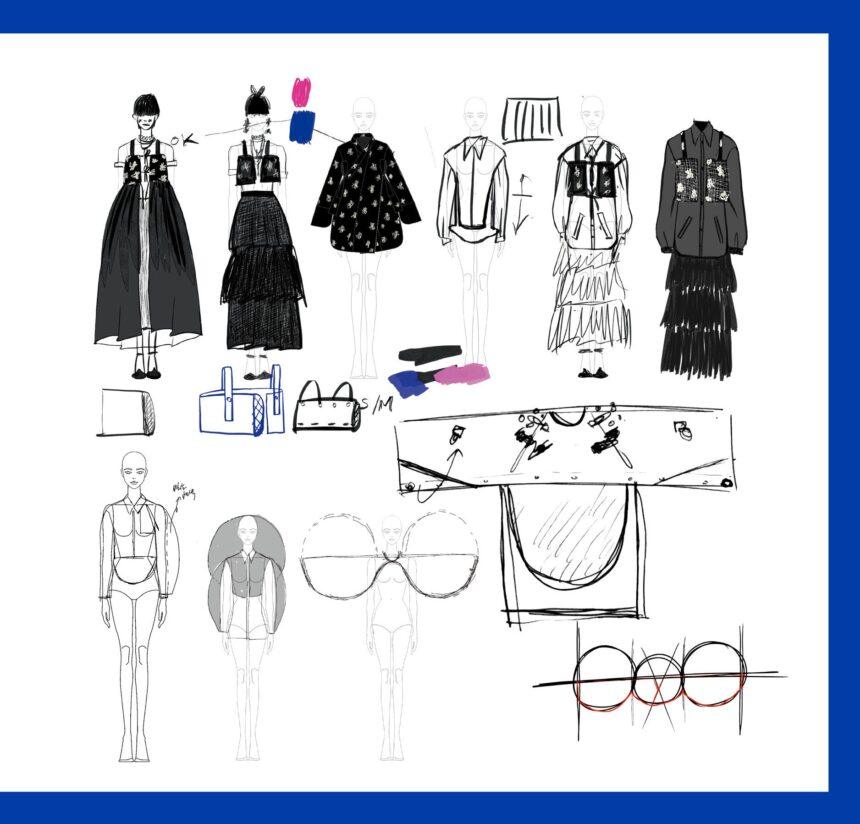
Bozzetti e filosofia creativa: lo studio delle forme tradizionali reinterpretate per una società contemporanea. Credits: RIU&VIU via Instagram
Creative sketches and design philosophy Credits: RIU&VIU via Instagram

This idea of authenticity is echoed in the work of RIU&VIU, a brand founded in 2019 by designer Yeji Kim. The name combines the Chinese character RIU (flow) with “VIU” (view), reflecting the brand’s mission: reinterpreting history through a contemporary fashion lens.

The collaboration with ATEEZ’s stylist was born from a shared vision. Drawing inspiration from men’s po garments of the Joseon dynasty, traditionally associated with authority and discipline, Yeji Kim transforms historical silhouettes into modern stage costumes.

LEGGI ANCHE  Yeaji Lee: The Blood Bamboo and Fashion as ‘Space’ and ‘History’

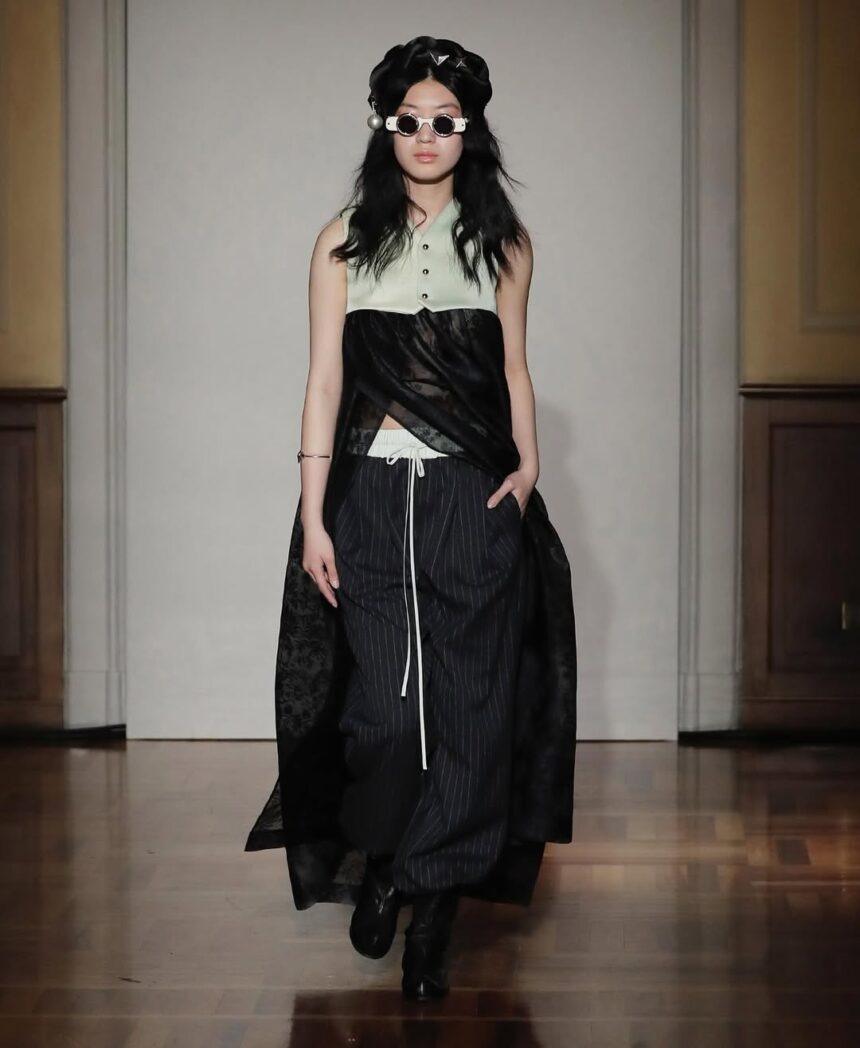
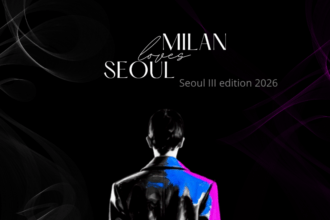
Already recognized internationally at events such as Milan Loves Seoul during the 2025 Fashion Week, Kim’s approach focuses on distilling the essence of historical garments and recontextualizing them in a functional, accessible form. In doing so, tradition is released from the “weight of time,” allowing the hanbok to exist as a living, contemporary language. This philosophy is evident in pieces like the SCENE #001 shoes, inspired by traditional danghye, and the brand’s iconic TE COAT.

Sfilata a Milan Loves Seoul. Credits: RIU&VIU via Instagram
Fashion show at Milan Loves Seoul. Credits: RIU&VIU via Instagram

Historical References and Sources of Inspiration

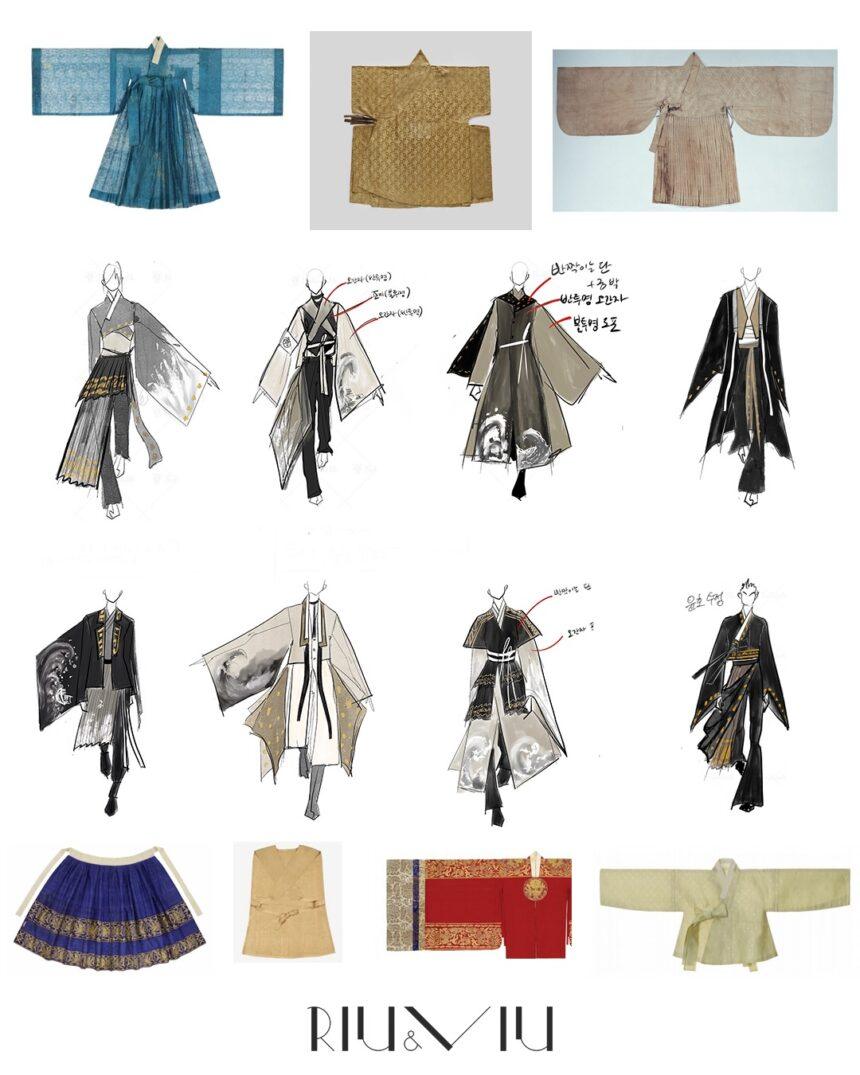
The costumes created for ATEEZ are rooted in men’s po from the Joseon era, a general term for outer garments worn as part of the male hanbok. Unlike women’s jeogori, which changed significantly over time, men’s po maintained stable proportions.

Dal museo al palco: confronto tra i po maschili d'epoca Joseon e i design esclusivi realizzati per gli ATEEZ. Credits: RIU&VIU via Instagram
From museum to stage: Joseon-era po and RIU&VIU’s designs for ATEEZ Credits: RIU&VIU via Instagram

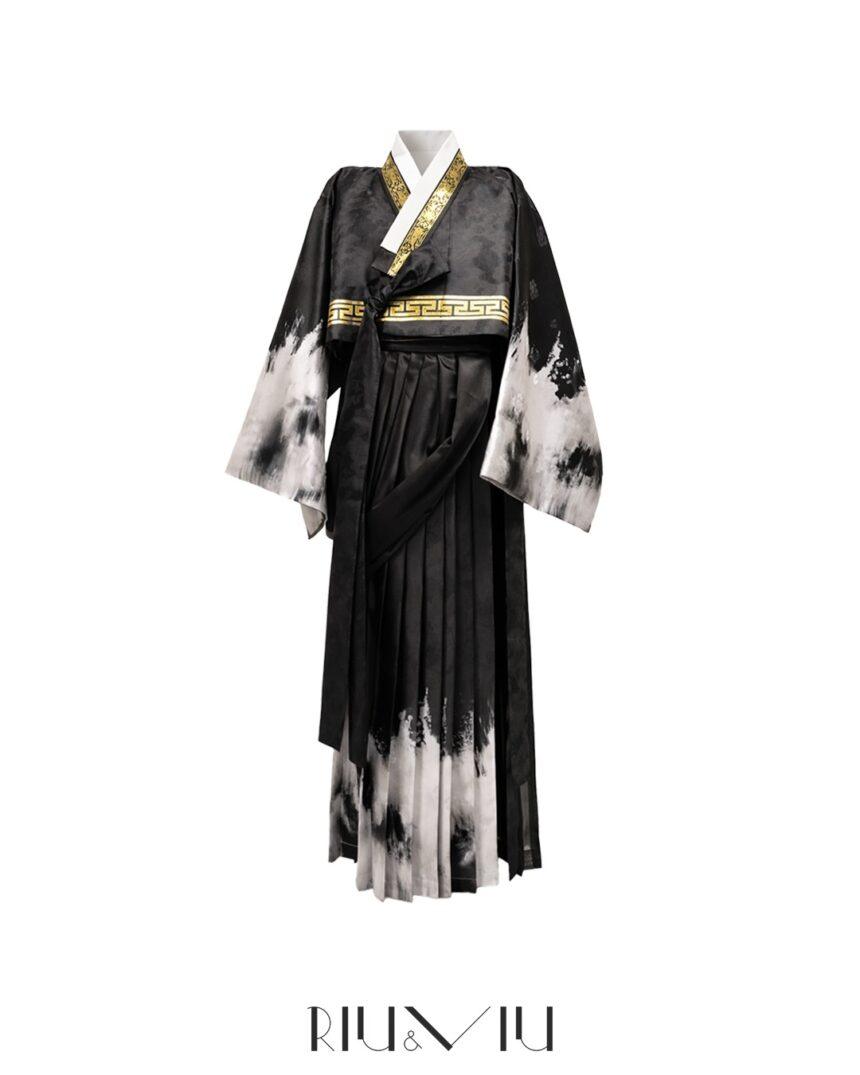
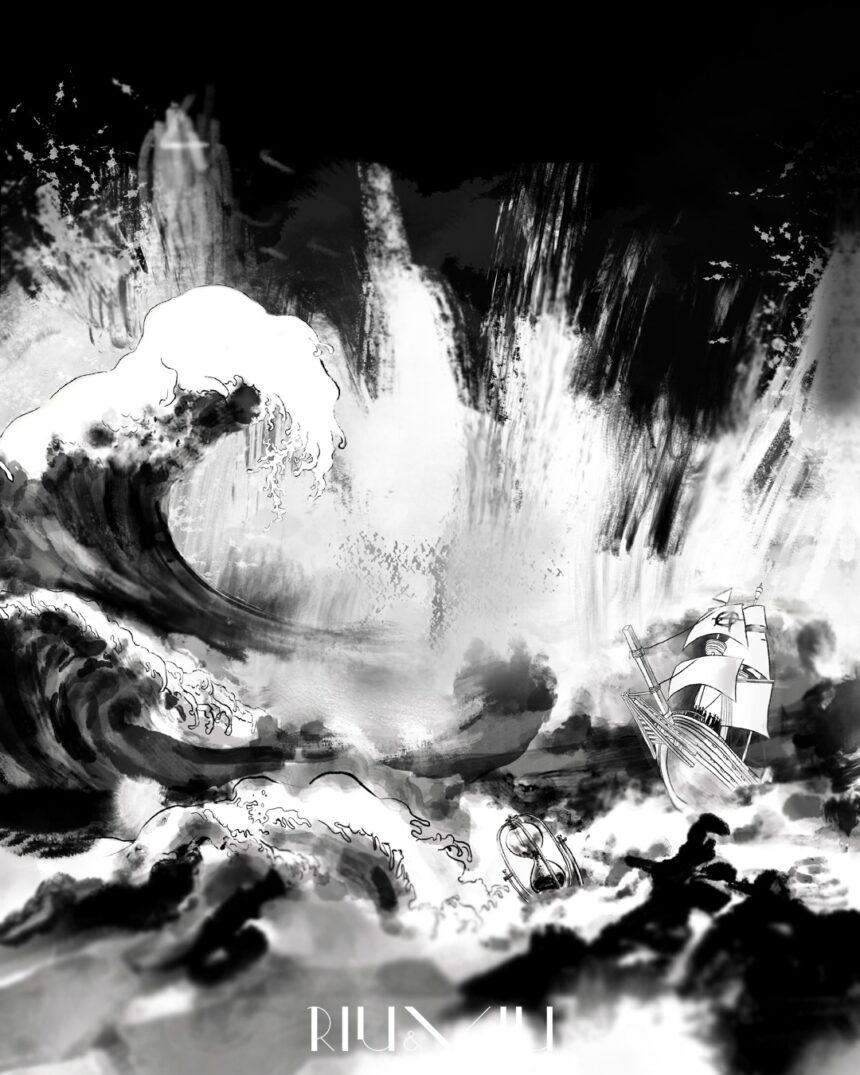
RIU&VIU referenced specific historical garments such as the cheollik, dapho, and wonsam, combining them with an original print by artist Geum Yoona. Inspired by the theme of “journey,” a central element of ATEEZ’s narrative universe, the print features waves, sea foam, and the group’s symbolic ship.

For the first time, ATEEZ’s storytelling extends directly into their costumes, turning them into narrative devices rather than purely visual elements.

Archival references include:

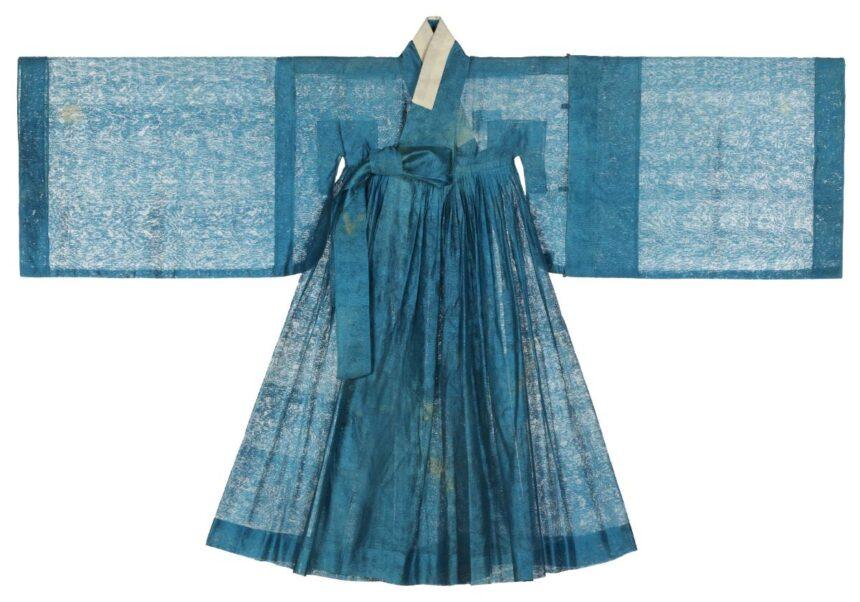
  • Cheollik: a pleated men’s robe in sheer blue silk, decorated with cloud and treasure motifs.
  • Dapho: a sleeveless garment from the Goryeo and Joseon periods, traditionally layered over other po.
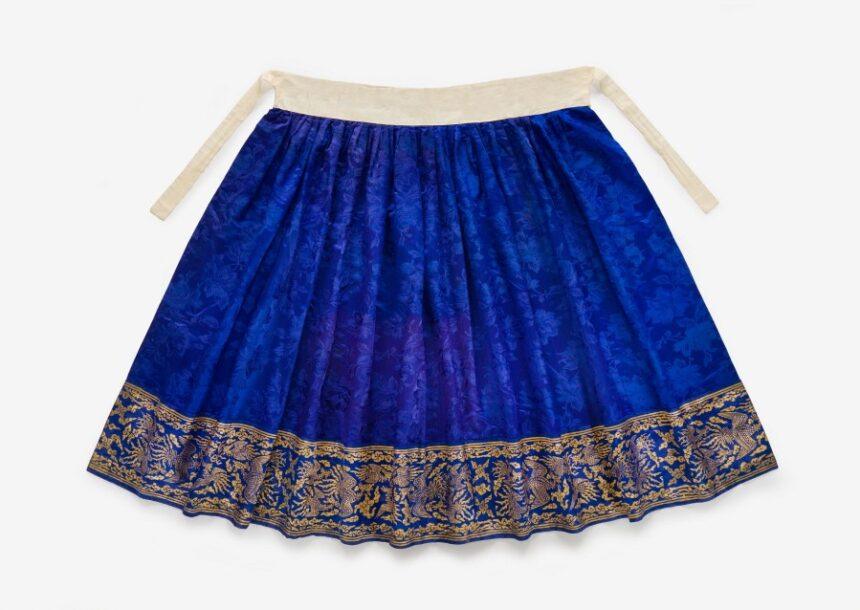
  • Seulanchima: a ceremonial skirt adorned with gold leaf, historically reserved for women of the Joseon royal family.
  • Wonsam: a formal robe with long sleeves and multicolored bands, presented here in the red hongwonsam variation.
Cheollik
Cheollik
Seulanchima
Seulanchima

Costume Analysis

The color palette alternates between neutral tones such as black, beige, and white, accented by traditional prints and gold-thread embroidery. Layering and transparency play a key role, allowing the garments to move fluidly with the choreography.

LEGGI ANCHE  ATEEZ and j-hope conquer the Billboard Hot 100: a double revolution in K-pop history

The most innovative aspect lies in the reinterpretation of traditional structures. While wide sleeves and pleats reference classic menswear, the inclusion of the seulanchima introduces a deliberate contrast: Its open, skirt-like structure, historically feminine, is reworked to create volume and dynamism on stage.

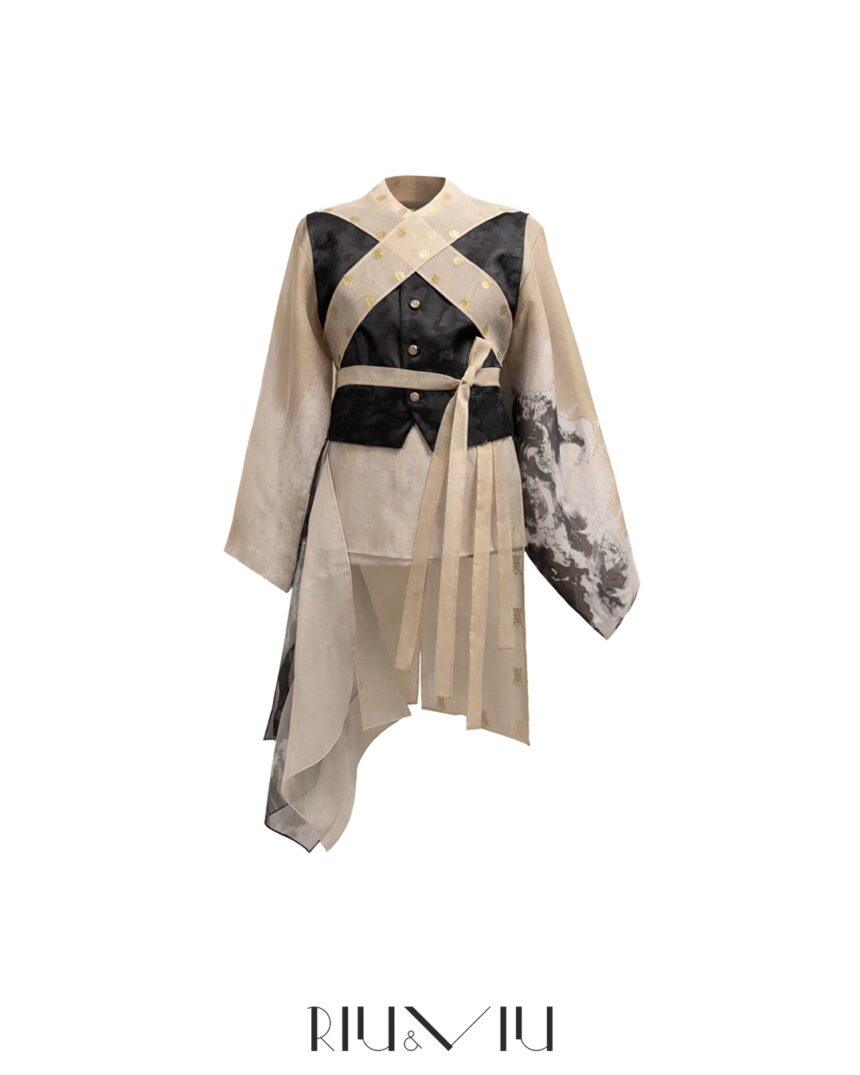
Yeosang and Yunho stand out with split silhouettes, pairing short jeogori jackets with lower sections inspired by the seulanchima or the base of the cheollik.

Costume worn by Seonghwa Credits: RIU&VIU via Instagram
Costume worn by San Credits: RIU&VIU via Instagram
Costume worn by Mingi Credits: RIU&VIU via Instagram
Costume worn by Wooyoung Credits: RIU&VIU via Instagram

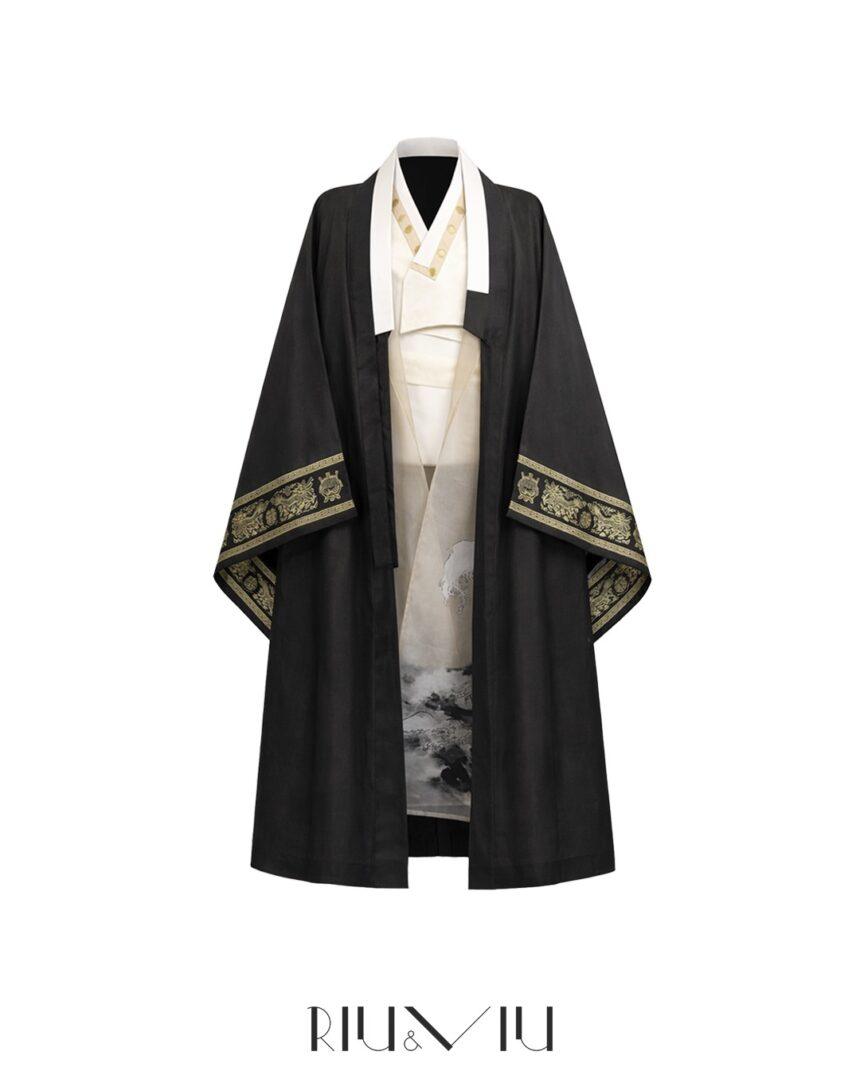
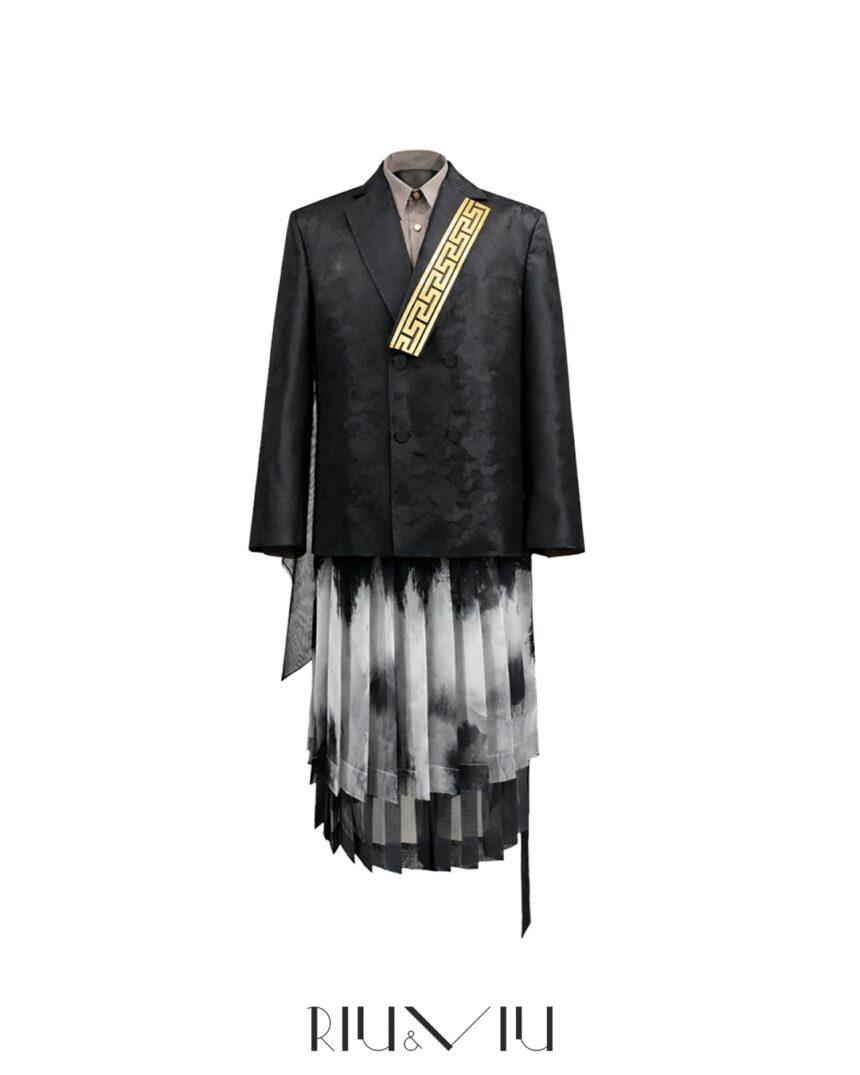
Print placement follows a clear scenic logic. For most members, motifs appear on the lower half of the costume, emphasizing movement. For Yeosang, Yunho, and Mingi, the prints extend onto the sleeves, amplifying the breadth of their gestures. Yunho’s look features raised pleats that enhance the garment’s three-dimensional form, while Jongho contrasts the others with a modern black outer layer worn over pleated elements of varying lengths.

Costume worn by Yeosang Credits: RIU&VIU via Instagram
Costume detail worn by Yunho Credits: RIU&VIU via Instagram
Costume worn by Jongho Credits: RIU&VIU via Instagram
Costume worn by Hongjoong Credits: RIU&VIU via Instagram

As the group’s leader, Hongjoong is distinguished by the only short-cut silhouette, cinched at the waist and decorated with motifs across both sleeves and back.

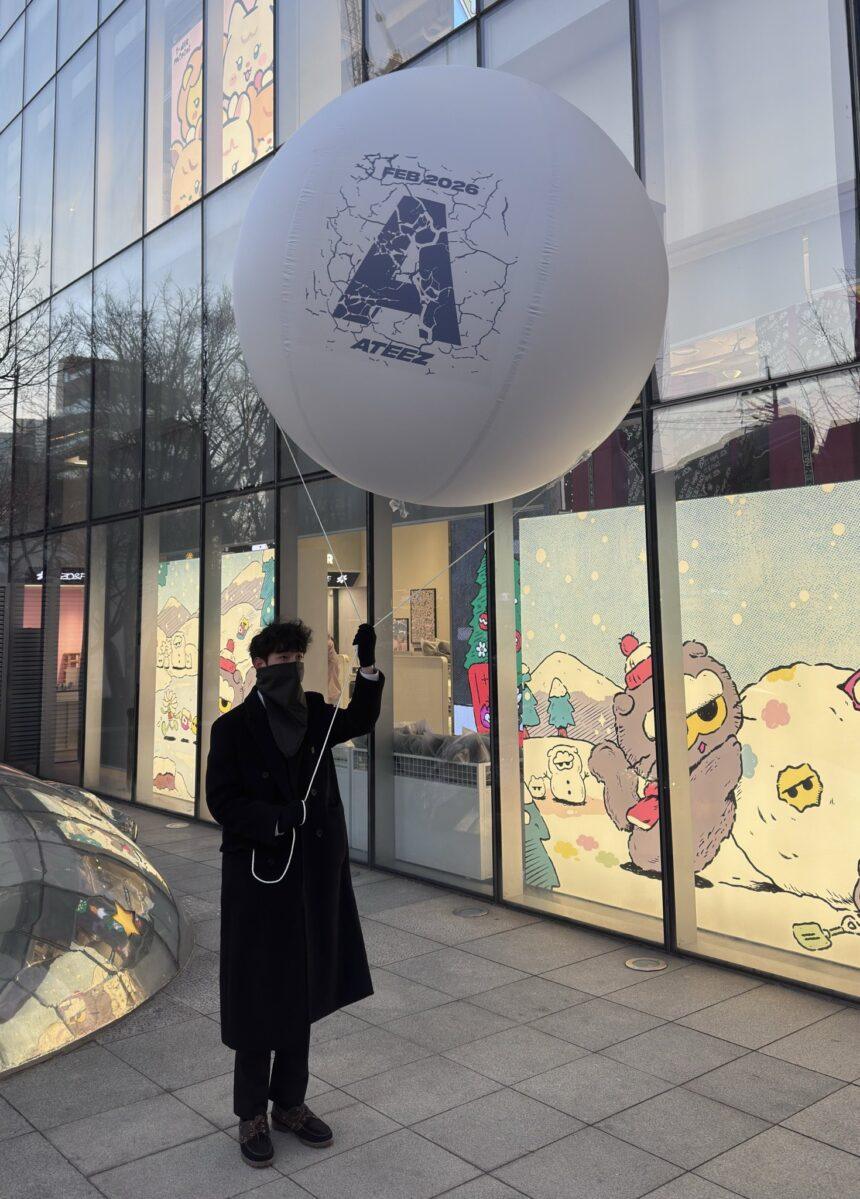
Beyond aesthetics, these outfits function as true narrative vehicles. Geum Yoona’s original prints, populated by waves, ships, and the Chromer, transform the fabric into a map of the ATEEZ universe. This is not merely a celebration of the past. Subtle details woven into the costumes appear to echo early hints about the group’s upcoming February 2026 comeback, previously suggested through recently released balloon imagery.

La stampa originale di Geum Yoona. Credits: RIU&VIU via Instagram
Geum Yoona’s original print Credits: RIU&VIU via Instagram

Through this collaboration, ATEEZ demonstrate how fashion can evolve into a cultural tool, capable of bridging the legacy of the Joseon dynasty with the global narrative of K-pop.

Credits: yeodeongie via X
ATEEZ at Gayo Daejejeon

Share This Article
Follow:
I may be an introvert, but my inner world is a non-stop festival. Between marathoning anime and K-dramas, sketching fashion designs, and a constant soundtrack of Japanese and Korean music playing (only in my head, of course), I'm always busy. I'm the type to analyze every single detail of a K-star's outfit, because honestly, some things demand attention. So, while we're talking, there's a good chance my mind has already taken flight to Tokyo or Seoul. There's a whole world out there... or better yet, right in here.