
A personal story interwoven with the voices of Seoulful On members, exploring the distance between the imagined Seoul and the one people actually live.
Arriving in Seoul Alone
I arrived in Seoul alone in February.
I had a room, an office at the university, and a routine that still had to be built from scratch. What I did not have was a network. No one to have dinner with after class, to get lost with in an unfamiliar neighborhood, or simply to share that strange feeling of disorientation that comes with big cities once they stop feeling like a vacation.
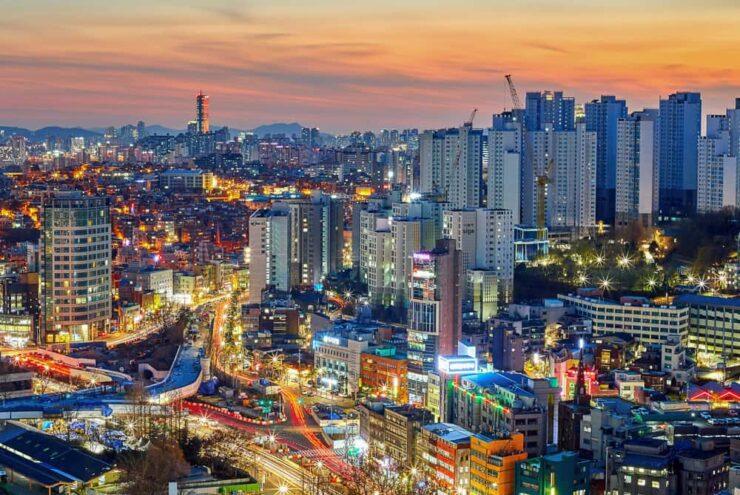
At first, Seoul is overwhelming. It pulls you into its rhythm: convenience stores glowing in the middle of the night, impeccably efficient subways, Korean Wave districts that somehow already feel familiar before you have even truly experienced them. But after the initial excitement, something else begins to emerge.
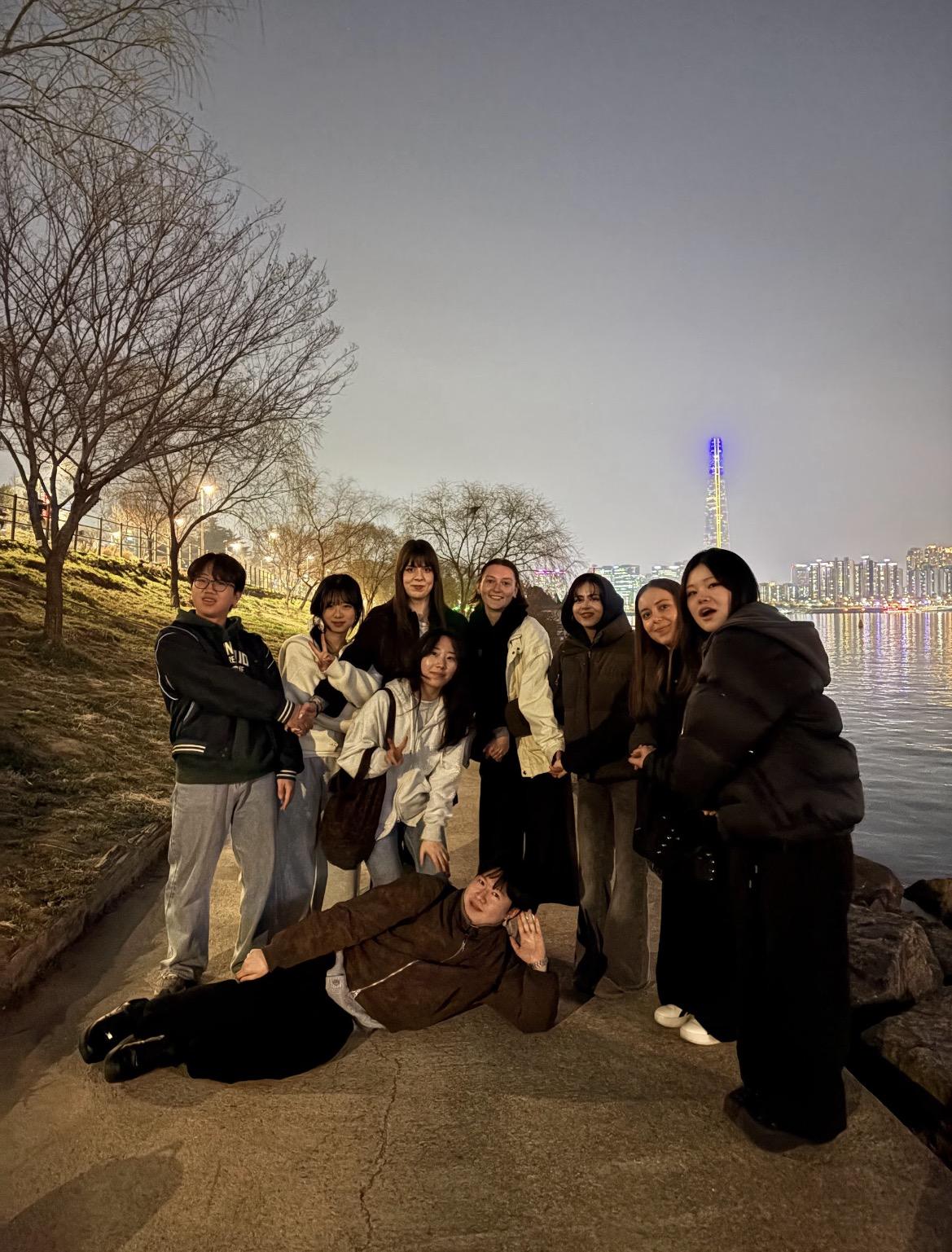
There comes a moment when you realize that knowing a city is not just about understanding how to move through it. It means having someone to call for an impromptu coffee, someone to share dinner with after lectures, or to wander aimlessly along the Han River together.
That was the moment I came across Seoulful On: an international community created to help both Korean and international students experience Seoul not as temporary visitors, but as part of a network built on relationships, shared experiences, and everyday life.
To better understand what makes Seoulful On so distinctive, I spoke directly with the president, vice presidents, and several members of the staff. A consistent narrative emerged from those conversations: Seoulful On was not created simply as a social group, but as a concrete response to the need for belonging within a city that, for many foreigners, can feel as isolating as it is fascinating.
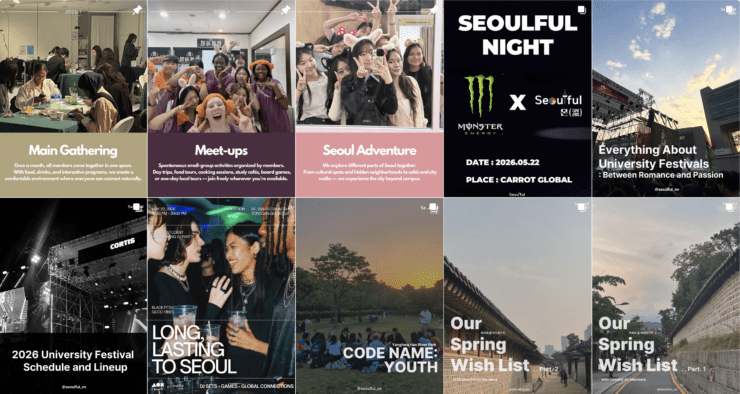
Founded as a global social club centered around student life, Seoulful On describes itself as a space where people can “live and shape Seoul together,” reinterpreting the city through the perspective of students and everyday experiences. One detail immediately sets it apart from many similar organizations: the club is non-profit and entirely self-funded through membership fees. It is neither a commercial event company nor a paid service. In the most literal sense, it is a self-managed community.
Beyond the Korean Wave, Into the Real Seoul
When you arrive in Korea from abroad, there is a risk of experiencing the city in an unexpectedly superficial way without even realizing it. Seoul constantly offers something to look at, photograph, or pass through. It is a city that lends itself easily to being consumed as an image. What is far more difficult, however, is truly entering into it.
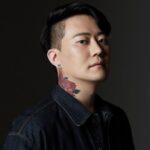
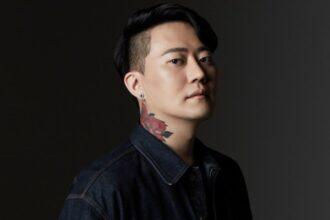
The idea behind the club emerged precisely from this awareness. Hyosang, the first president of Seoulful On, described having gone through something very similar during his years studying in the United States:
I studied in the U.S. for about four years, and in the beginning, it was honestly difficult to adjust in a completely unfamiliar environment where I didn’t know anyone.
What I felt most was that even though staying in a new country is a rare and valuable opportunity, there wasn’t really an easy way to discover local spots, hidden gems, or how people actually enjoy their everyday lives. It took a lot of time and trial and error to figure those things out.
Looking back, I often thought that if I had access to something like this back then, I could have adapted much faster and filled my daily life with more meaningful and diverse experiences.
That personal experience eventually became the foundation of the project itself. As Woody, the current president, explains:
Rather than opposing this image, Seoulful On aims to expand it by showing the everyday life that exists behind it.
The Seoul we focus on is not a city created by media, but a living space where students meet, spend time together, and build relationships.
In this sense, while K-Wave serves as the starting point of interest, Seoulful On seeks to transform it into a ‘living Seoul’ that is connected to real-life experiences.
The club’s motto — “Beyond the Campus, Into the Real Seoul” — perfectly reflects this shift: from spectacle to ordinary life. A Seoul made of small rituals, shared places, and relationships, discovered not through iconic landmarks themselves, but through the people with whom you experience them
Community, Relationships, and Urban Loneliness
Seoulful On operates within the gap left open by contemporary global Seoul: a city that is highly efficient and hyperconnected, yet capable of becoming surprisingly isolating for those arriving from abroad.
Hyuksung, the club’s vice presidents, describes Seoul as both “dynamic” and, at the same time, “cold and lonely” for newcomers without points of reference:
I hope Seoulful On can go beyond a simple social gathering and serve as an ‘emotional basecamp’ where international members can find a sense of comfort and stability. Rather than just visiting popular spots or tourist attractions, we aim to support each other through the real challenges of living in Korea, naturally building a strong and supportive community.
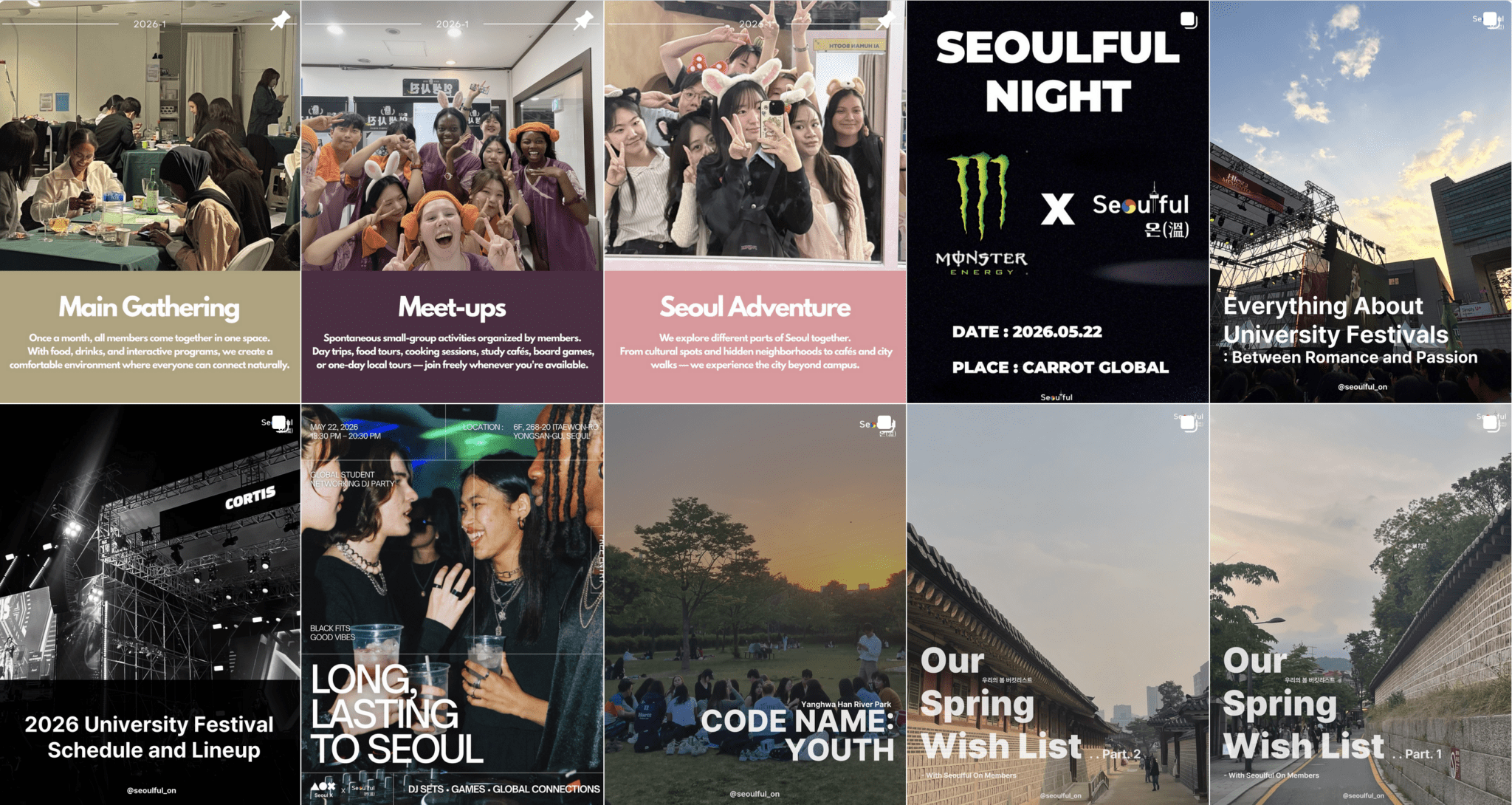
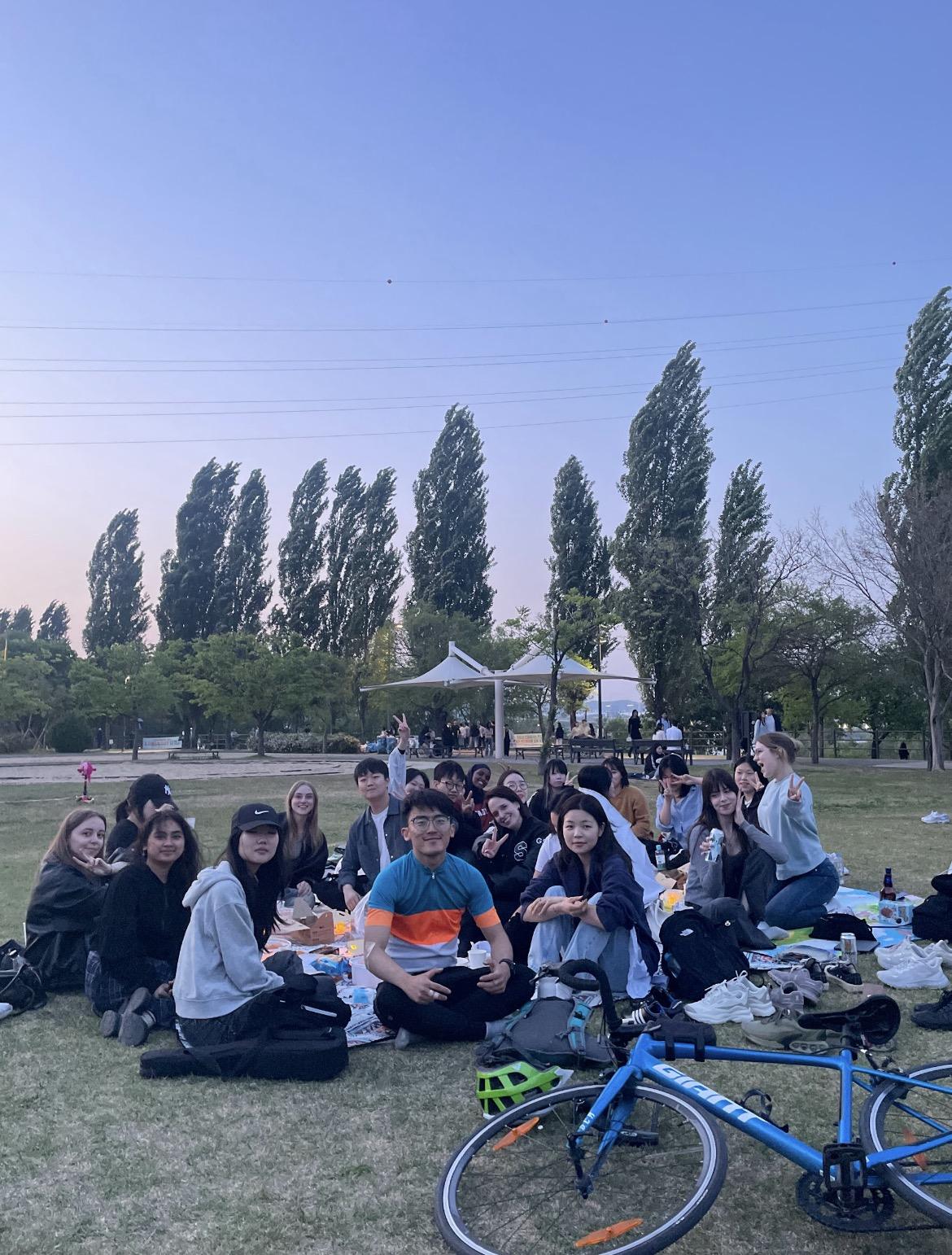
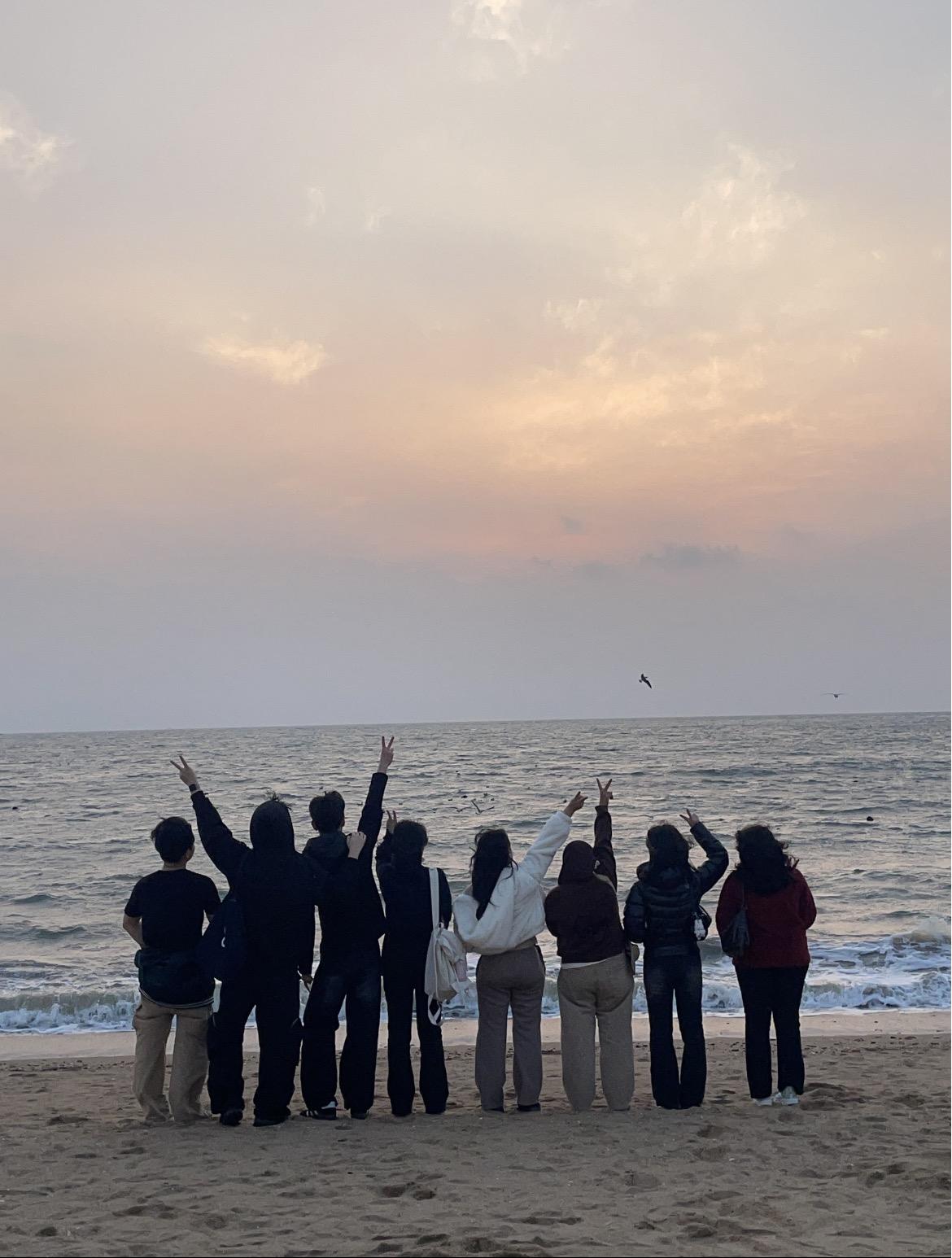
In large global metropolises, community no longer forms spontaneously. It requires intentional networks and intermediary spaces capable of creating connections between people who might otherwise continue merely passing by one another. The structure of the club itself responds directly to this need: activities are organized into smaller groups (Team A and Team B), teams are reorganized every month to encourage new connections, and once a month all members gather for a larger collective event in collaboration with seoulx.korea. Alongside the official activities, there is also a constellation of spontaneous meetups — trips, movie nights, impromptu dinners — that anyone is free to organize.
What stands out is that these relationships seem to extend beyond the events themselves. Laurie, a member of the staff, explains:
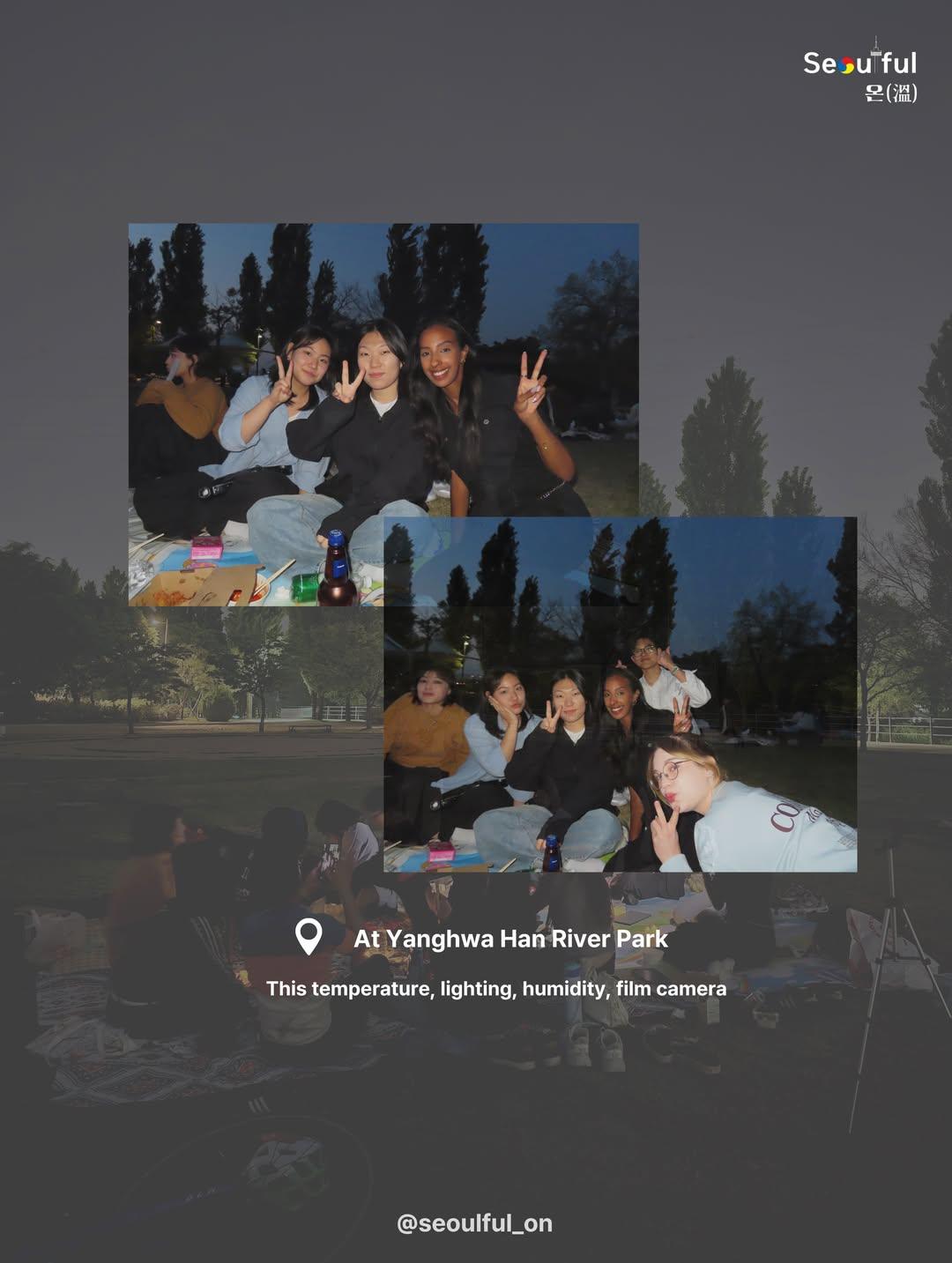
Relationships in Seoulful On go beyond nationality, allowing people to connect and build genuine friendships as individuals. What stood out most was that interactions between Korean and international members are based on equal cultural exchange, not one-sided sharing.
I’ve personally met friends outside of activities and even hosted small gatherings, where conversations naturally shifted to learning about each other’s cultures. […] For example, I recently met a friend from the club in Seochon for a meal and coffee.
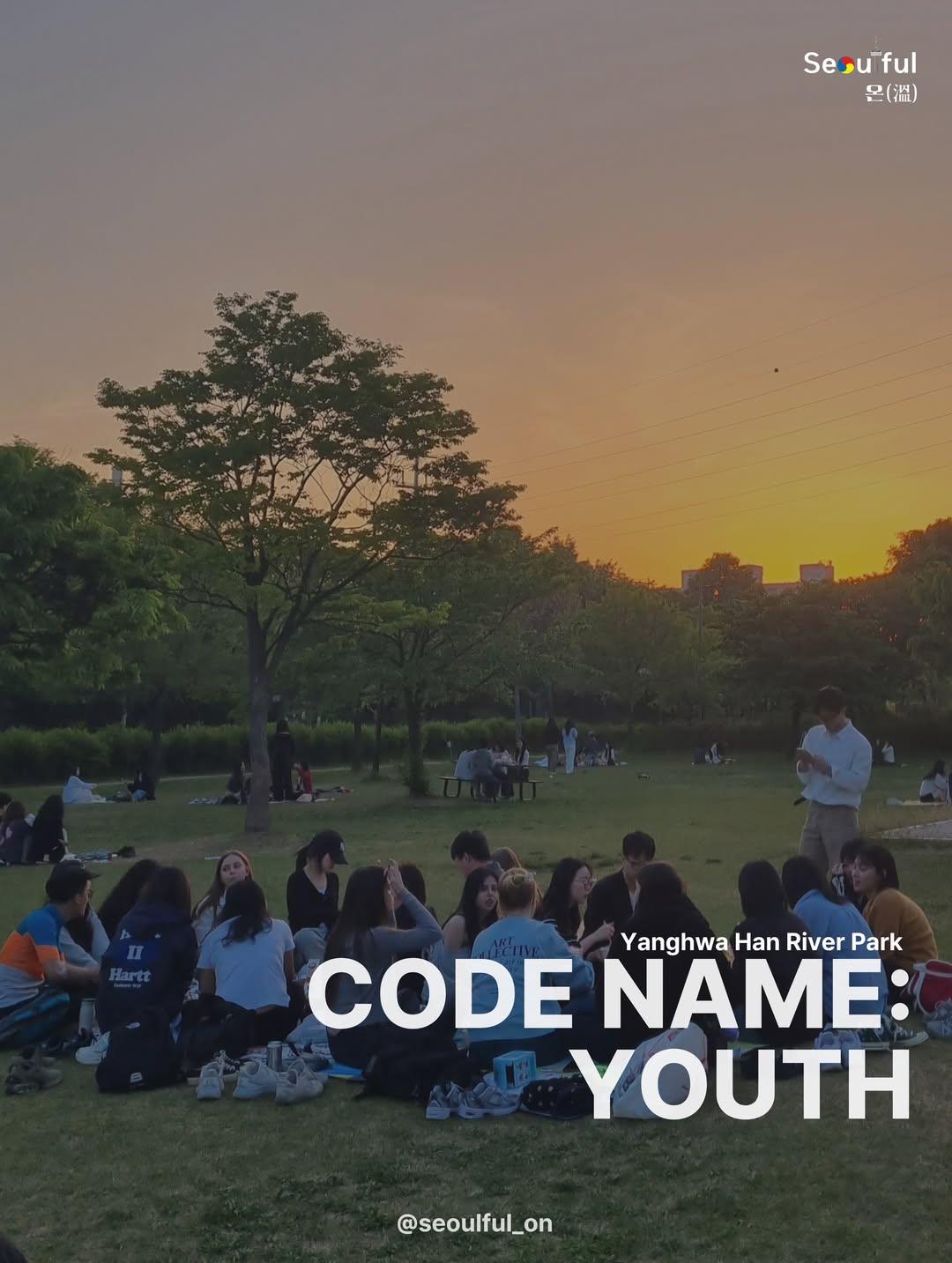
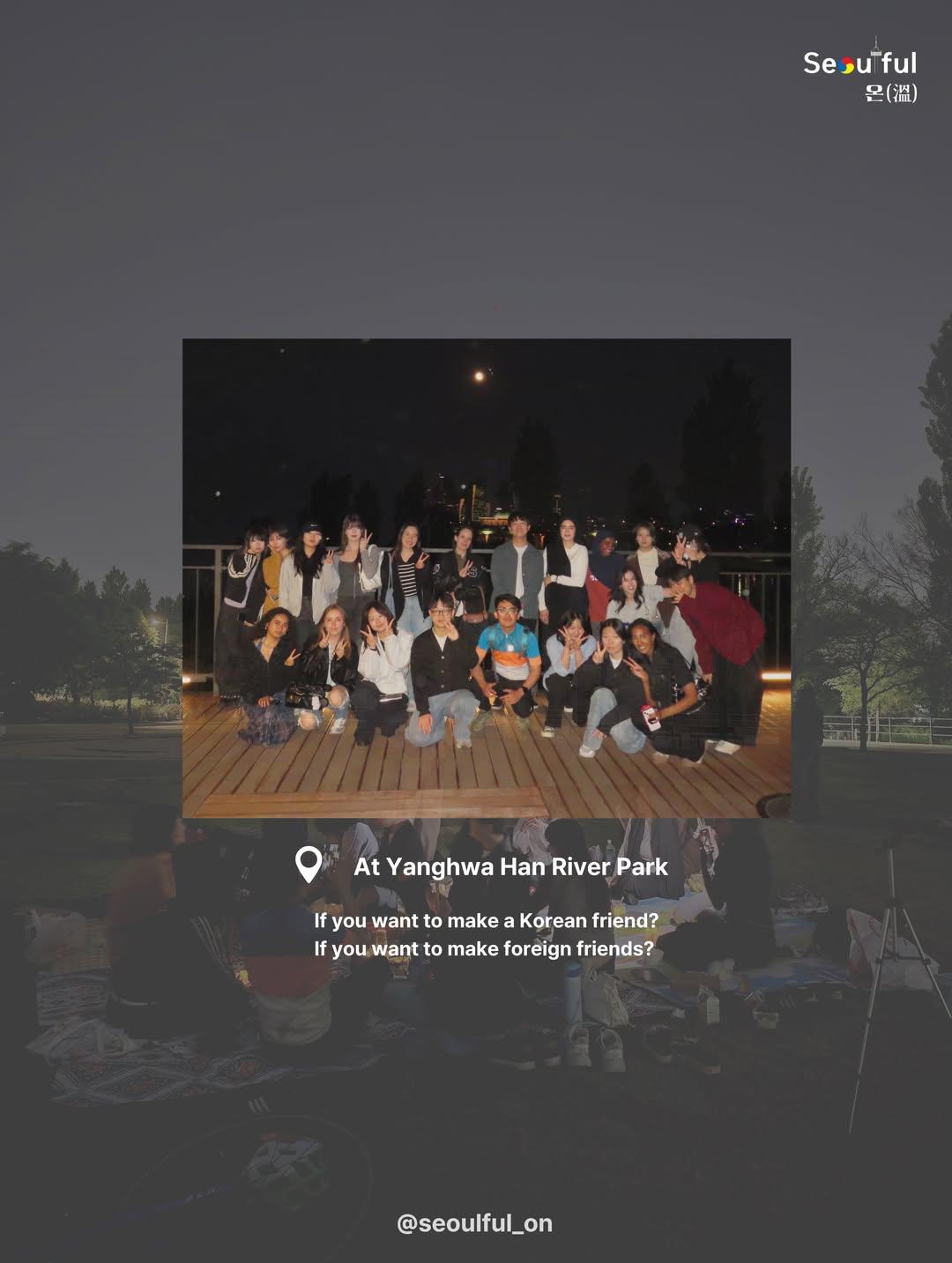
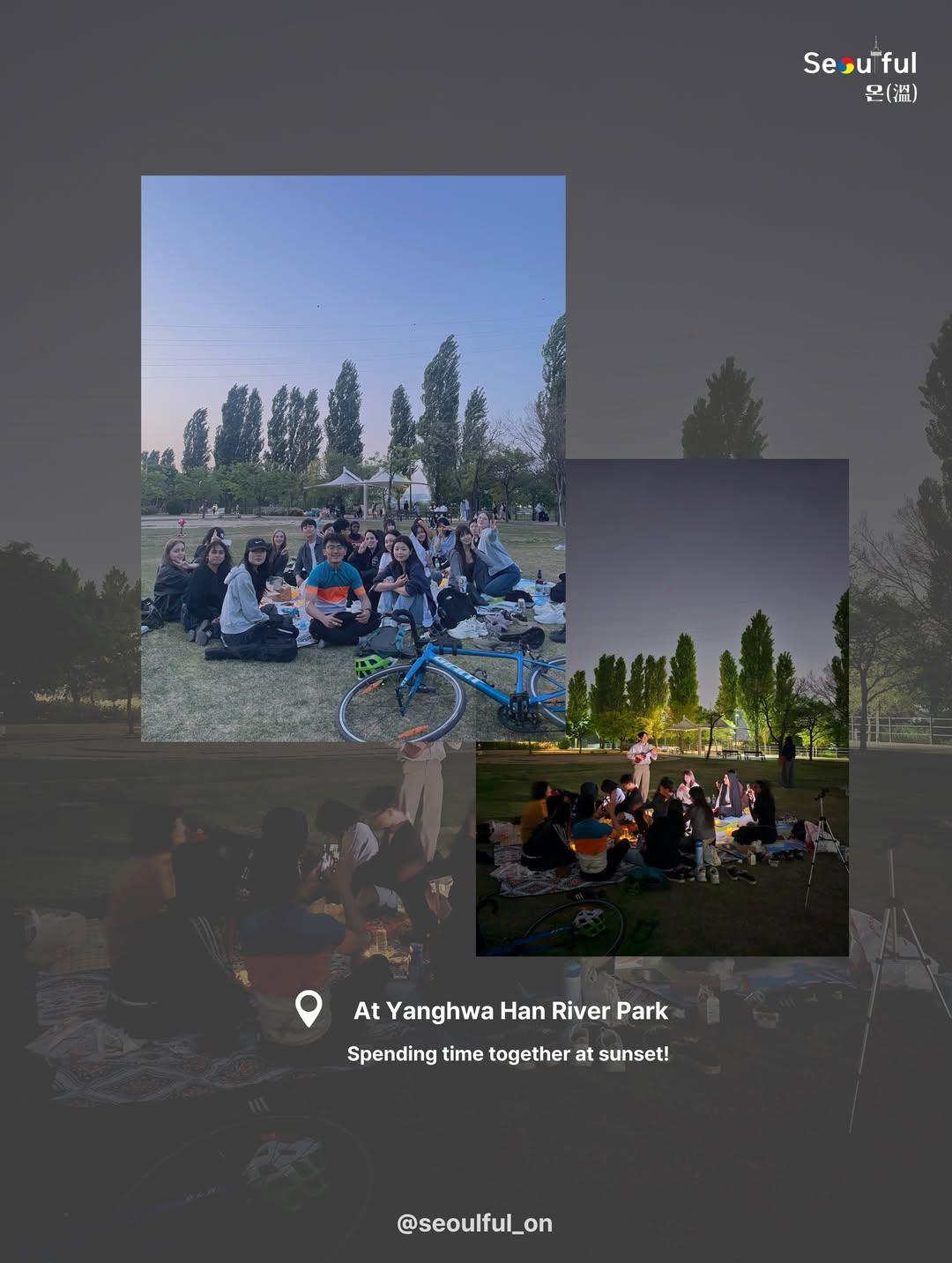
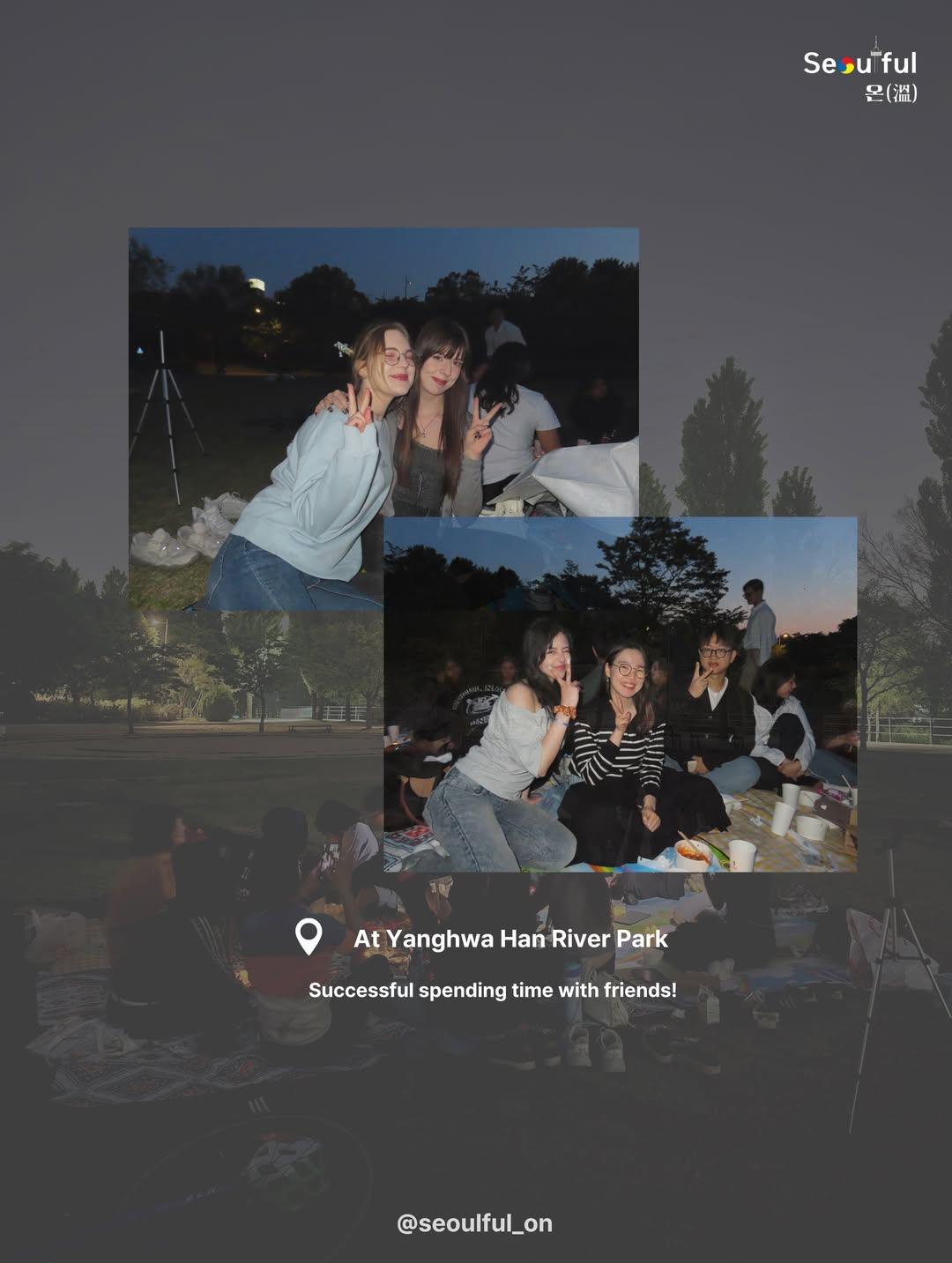
A City Meant to Be Shared
In a city often perceived as highly performative and competitive, one of the most unexpected aspects of Seoulful On concerns its relationship with linguistic imperfection. Jay, a member of the staff, reflects on this dynamic:
One of the most impressive things I’ve realized is that English is simply a tool for communication. Just as we try to wait and understand when international members speak Korean, they also never judge us for not speaking perfect English.
Moving away from the idea of perfection, and instead understanding each other’s mistakes while expressing ourselves through gestures and emotions, feels like the kind of shared culture we should be building together.
Yet another dimension also emerges from the club’s experience — one that concerns time itself. Many international members remain in Seoul for only a semester. And yet, the relationships formed within the community seem to outlast departure. As Minseo, one of the club’s content creators, explains:
I want our memories to remain meaningful and our relationships to continue even after they leave. As a content creator, my goal is to build a space that connects people beyond both online and offline boundaries, while capturing and preserving these moments.
Perhaps this is the most compelling aspect of Seoulful On: not simply a local experience, but a network that extends across time and space. As another staff member, Seojoo, describes it: “Connection” and “Possibility” — a space where people come together with shared intentions, see one another with warmth, and grow together.
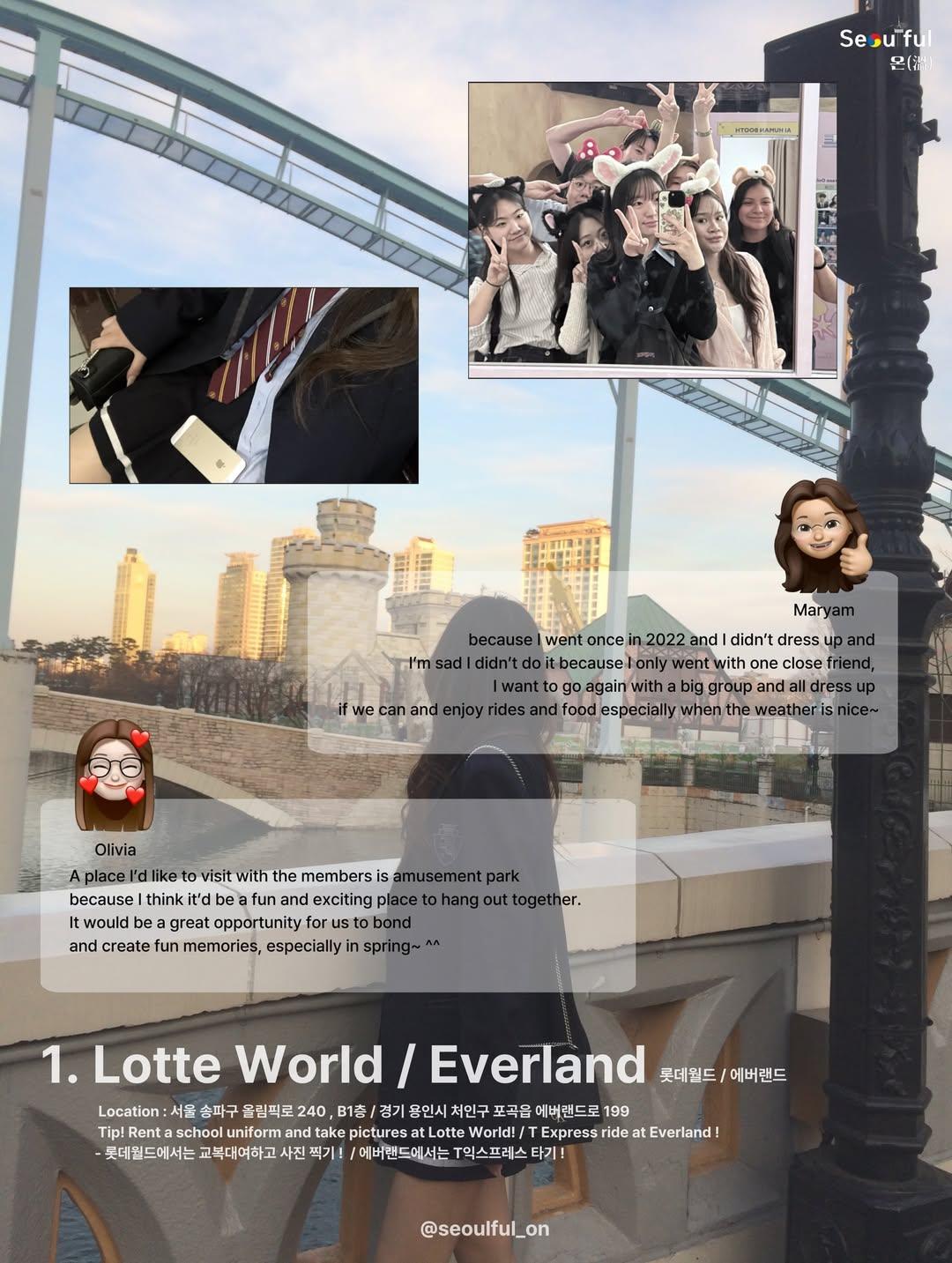
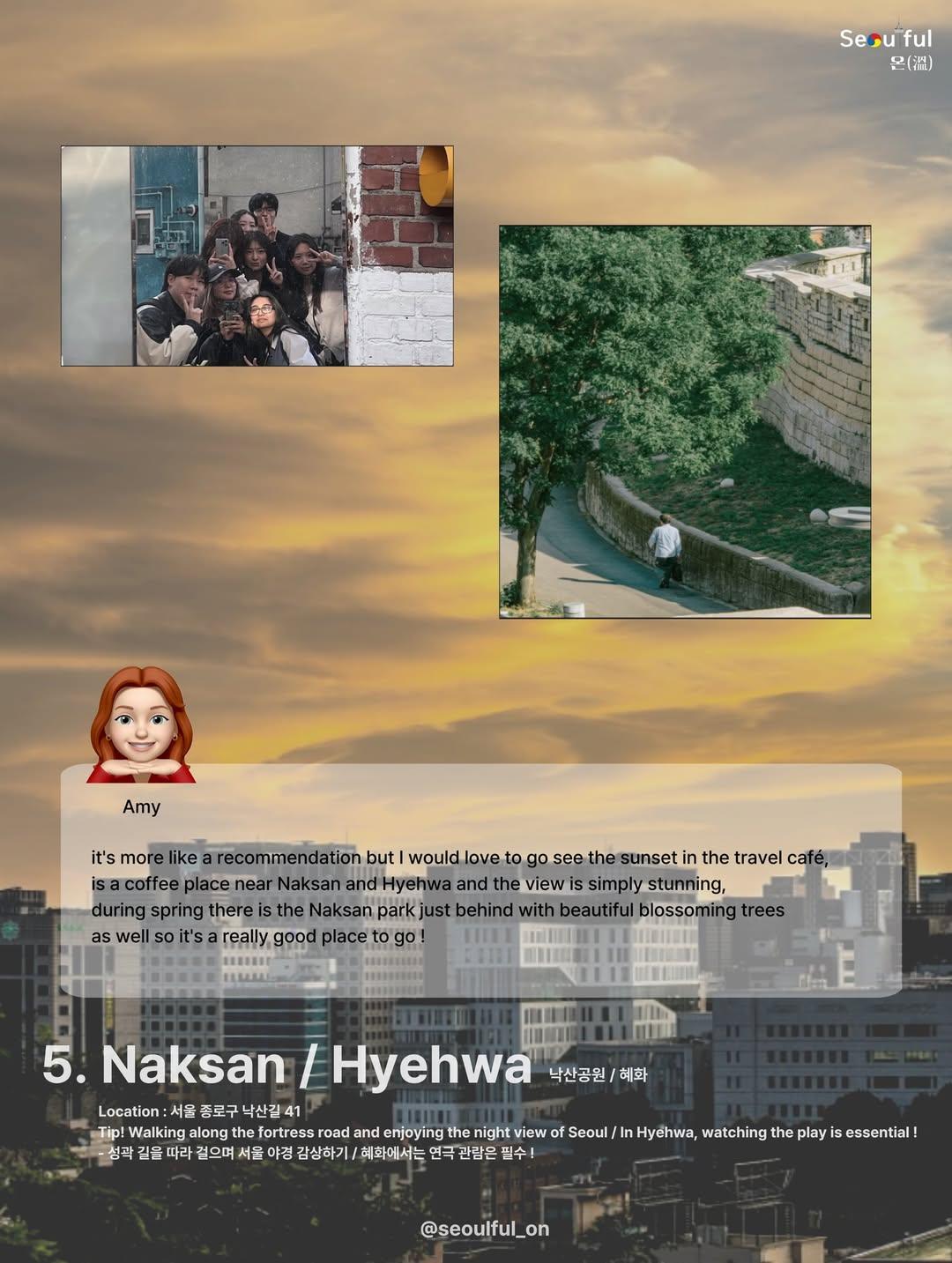
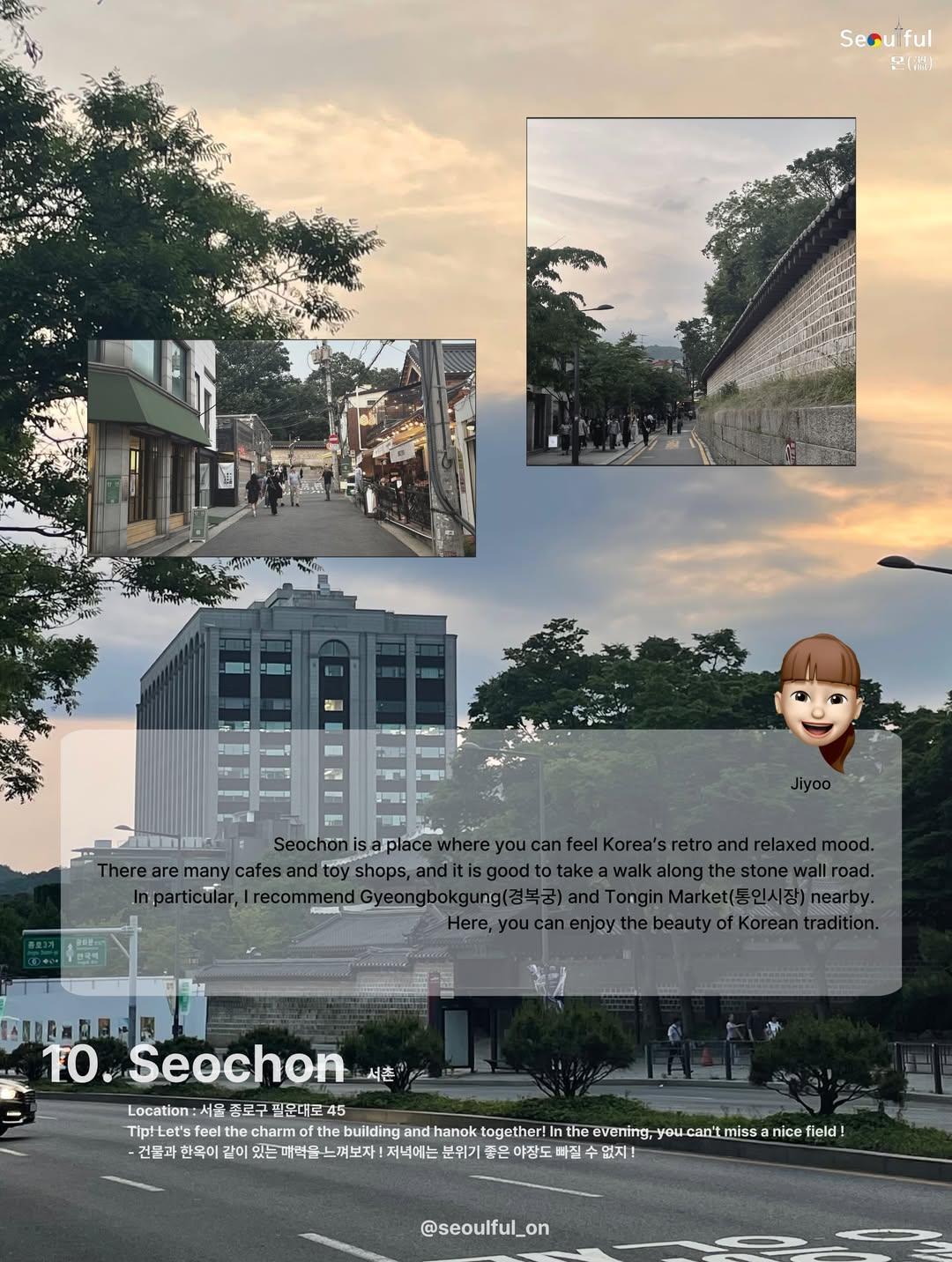
A City to Begin Again
In February, I arrived in Seoul without knowing anyone.
Today, some parts of the city no longer remind me only of what I saw there, but above all of the people with whom I experienced them.
And perhaps this is the deepest meaning of Seoulful On: not simply offering activities or social gatherings, but slowly transforming an unfamiliar city into a shared space. For those who arrive in Seoul alone — whether for study, work, or simply the desire to discover Korea beyond the imagery of the Korean Wave — communities like this can become far more than a pastime.
They can become a starting point.
Seoulful On organizes activities, outings, and social gatherings throughout the semester, and is open to both Korean and international students. To follow the club and learn more about upcoming activities, you can visit the official Instagram page: seoulful_on